


Regulatory
Latest News
Advertisement
Latest Videos





Shorts
0:51
How New Clinical Trial Guidelines Impact Sponsors & CROs
7 days ago
by
Heidi Chen(+1 more)

0:46
How FDA Uncertainty is Changing Regulatory Strategy
9 days ago
by
Charlie Paterson(+1 more)
0:35
How Funding Cuts Threaten Breakthrough Scientific Discoveries
3 months ago
by
Carie Pierce(+1 more)

0:30
Why Safety Risk Should Be as Important as Efficacy in Trials
4 months ago
by
Ananth Kadambi(+1 more)
Advertisement
More News
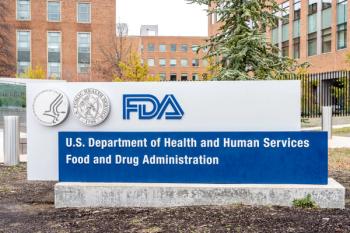
The FDA’s new draft guidance on Bayesian methodology signals a shift toward more flexible, data-driven clinical trial designs, enabling sponsors to use prior data and adaptive approaches to improve efficiency, reduce timelines, and support regulatory decision-making.

The clinical trial ecosystem is entering a phase of consolidation and reinvention driven by the collapse of boundaries between functions, data, and even companies themselves.
Comparator drug sourcing in the EU is shaped by a defined set of availability, regulatory, competitive, and logistical pressures, alongside practical strategies to reduce risk and protect trial timelines.

Unclear boundaries between investigator-controlled and sponsor-managed data in IRT systems are creating avoidable compliance risk, particularly around investigational product inventory and quality actions.

New research finds that while eSource adoption is advancing through EHR-to-EDC workflows, scaling its impact will depend on integrating unstructured clinical data using AI, shared standards, and collaborative validation models across sites, sponsors, and vendors.

Webinar Date/Time: Tuesday, January 27th, 2026 at 11am EST | 8am PST | 4pm GMT | 5pm CET

What Patients Want from Remote Trials: New Survey Data Reveals Preferences Around Usability, Trust, and Participation
ByJiang Li
New survey data show a strong patient preference for fully remote clinical trials, underscoring how convenience, intuitive technology, and FDA-cleared digital tools are reshaping enrollment and retention strategies as decentralized models become a lasting fixture in clinical research.
As highly effective anti-obesity therapies emerge and regulatory expectations evolve, sponsors are adopting innovative trial designs, addressing long-term weight maintenance, monitoring lean mass preservation, and preparing for expanded safety and demographic requirements that will define the next era of obesity R&D.
New FDA guidance signals a major shift for CAR-T development, calling for randomized trials with standard-of-care control groups and clear evidence of superiority over existing therapies, while simultaneously easing REMS requirements to reduce logistical burdens for treatment centers and patients.

AI-driven discovery, EHR-based real-world evidence, and synthetic patient modeling are rapidly reshaping drug repurposing, reducing development timelines, expanding therapeutic applications, and accelerating regulatory acceptance of computational approaches.
Former FDA Commissioners Warn New Vaccine Policies Could Undermine Longstanding Regulatory Framework
Twelve former FDA leaders have publicly challenged the agency’s proposed overhaul of vaccine approvals, sparked by an internal memo linking child deaths to COVID-19 vaccination, arguing the changes threaten evidence-based standards, weaken immunobridging practices, and risk eroding public trust.
The FDA has introduced a secure, agency-wide agentic AI system to support complex regulatory workflows—enhancing reviews, surveillance, and inspections—while maintaining strict data protections and human oversight.

In this Q&A, John Kirk, principal regulatory strategist at Veristat, explains how the FDA’s Commissioner’s National Priority Voucher (CNPV) Program is accelerating operational timelines, tightening cross-functional workflows, and redefining what sponsors and CROs must deliver to secure and execute an ultra-compressed one-to-two-month review.

The company submitted the new dosage for approval based on its Phase III trial results.
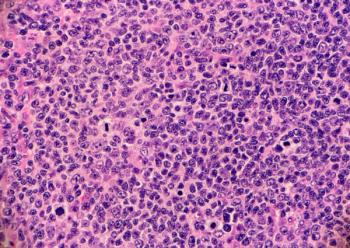
Epkinly plus rituximab and lenalidomide is the first bispecific antibody combination FDA-approved for relapsed or refractory follicular lymphoma, backed by Phase III data showing substantially improved disease control over standard therapy.
As biotechs expand their outsourced clinical operations, adopting a CTMS is becoming essential to ensure CRO oversight, regulatory compliance, and real-time visibility across trials and portfolios.

In 2025, both big pharma and biotech are redefining decision-making as AI, real-world evidence, and flexible deal structures accelerate drug development, flatten organizational silos, and close the innovation gap across the life sciences ecosystem.

Ethical and regulatory considerations for safeguarding participants in bispecific antibody clinical trials, and best practices designed to optimize their success.
As decentralized and hybrid trial models expand, eConsent is emerging as a critical tool for improving participant understanding, reducing site burden, and strengthening data integrity through digital automation, accessibility, and regulatory compliance.

How a unified approach to clinical data management, powered by artificial intelligence and advanced analytics, can elevate clinical trial monitoring and redefine how teams assess, act on and learn from data.
Learn how early regulatory engagement, validated digital systems, and robust protocol design enable biotechs to run parallel studies without compromising compliance or data integrity.
See how integrated teams, data visualization, and full-service coordination between clinical, regulatory, and commercial functions can accelerate decision-making and development speed.
See how early patient inclusion, integrated regulatory planning, and seamless CRO partnerships can help biotechs accelerate progression from Phase I to Phase II.

With global supply chains inherently vulnerable to trade policy shifts, the consequences for clinical research can be significant without proactive planning. The eight core elements of a tariff contingency plan are outlined.
Gain insight into why early toxicology readiness and strong scientific collaboration with CRO partners are critical to accelerating trial startup and regulatory approval.
Advertisement
Advertisement
Trending on Applied Clinical Trials Online
1
SCOPE Summit 2026 Panel Discussion: Diversity in Clinical Trials—What’s Working, What’s Next
2
SCOPE Summit 2026 Keynote Panel: Is Radical Acceleration in Clinical Research Possible?
3
SCOPE Summit 2026: Reducing Patient Burden Is the Foundation of Wearable Success in Oncology
4
SCOPE Summit 2026: Elevating Patient Experience in Clinical Operations
5