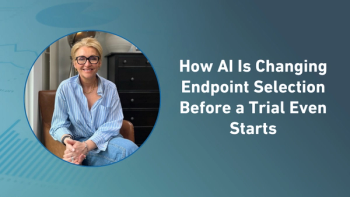
Trialbee CEO Matt Walz explores the current impact of AI in delivering practical gains in clinical development and reflects on its future potential, where enrollment predictability may be the biggest prize of all.
In part 2 of this video interview, Vincent Keunen, founder & CEO of Andaman7 highlights how technology vendors should be keeping the patient in mind when building solutions.
ACT: What do technology vendors need to focus on most when creating patient-centric solutions?
Keunen: It seems obvious, but ask the patients. Many don't ask the patients. They think they know or they say, “Well, I'm kind of a patient too, so I kind of know what I need, right?” You have to talk to different types of patients, and patients with a serious condition, patients without a serious condition, but a chronic disease maybe that is also difficult to manage in the long term, so really ask the patient. It takes time. It's an effort, and you will get many different points of view. It's hard to reconcile all of them, but it's always the same when you build software—you always have that tension between the various needs and the various points of views of the users, and then trying to find something that is very good for everybody. It’s a real challenge. Usually, patients want to manage their health information. They want to be in control. They have the right to that normally in many countries, and what they want is having the right information at the right time, which seems easy to say, but in practice, there's lots of interoperability issues, exchange of information, privacy, cyber-security issues—there's a lot. Also, the patients don't want their data to be abused, right? That's really the fine line, because when you ask patients if they want to contribute to research, 85% say yes, but if I'm being asked my consent first, if I can remove the consent anytime, if I know who will use the data and for what purpose. There's a number of conditions, but if those conditions are met, then the patients agree to contribute, but then it must be easy to use, as I was saying earlier.