Don't Underestimate the Value of the Human Touch in Clinical Trials: Mobile Research Nurses Make a Critical Difference in Decentralized Trials, Whether Employed Exclusively or in Conjunction with Latest Technology
With innovations in wearables, digital monitors and video capabilities, technology can play a role in efficiently capturing data in decentralized clinical trials. Technology alone often is not enough, however, especially considering the diverse and vulnerable populations who participate in clinical trials. Human intervention by properly trained medical professionals such as mobile research nurses is key to ensuring data consistency and integrity as well as protocol compliance. Given the bond that often forms between patients and their caregivers, mobile research nurses also can help improve patient retention.
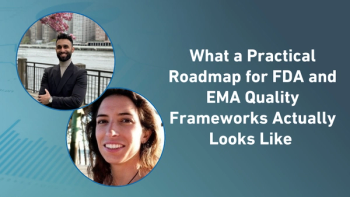
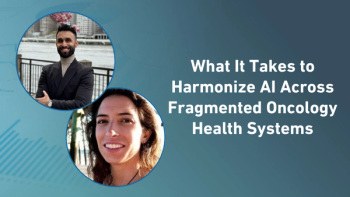
In this video interview, Saamir Pasha and Carole Berini, PhD, of Ontada, describe what operationalizing regulatory-grade quality frameworks requires—and why fit-for-purpose evidence generation is a transparency and documentation discipline, not just a data cleanliness exercise.
AI can turn complex protocols into first-pass budget inputs, letting sponsors start budgeting sooner while budget builders shift from data entry to review.
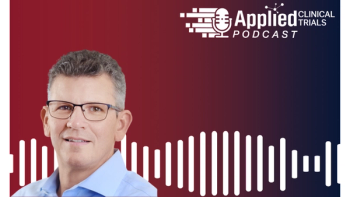
Trialbee CEO Matt Walz explores the current impact of AI in delivering practical gains in clinical development and reflects on its future potential, where enrollment predictability may be the biggest prize of all.
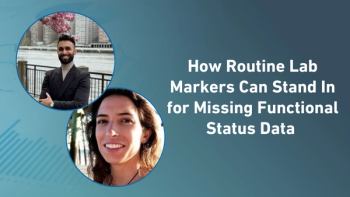
In this video interview, Carole Berini, PhD, of Ontada, explains how validated proxies for variables like ECOG performance status can recover not just sample size but the representativeness of hard-to-reach patient populations in real-world oncology studies.
In today's ACT Brief, we examine proportionate analysis frequency in RBQM, how to build trust into real-world evidence foundations for cancer trials, and how rare disease developers monetize regulatory success.
Real-time RBQM requires proportionate analysis frequency matched to data arrival and issue criticality, not continuous reanalysis, because signal churn from over-frequent runs creates alert fatigue and operational noise that obscures meaningful deterioration.
In this video interview, Saamir Pasha and Carole Berini, PhD, of Ontada, explain how building trust into the data foundation—through source lineage, standardization, and reconciliation—is what makes reliable real-world evidence generation in oncology possible.