Explore how groundbreaking cell and gene therapies (CAGTs) are revolutionizing previously untreatable diseases to improve the quality of life for patients. Join experts from IQVIA Biotech and IQVIA as they address the current state of CAGTs, regulatory strategies that move innovation forward and critical clinical development decisions.
Learning Objectives
- Gain insights into the dynamic regulatory landscape of CAGT trials and issues biotech sponsors should consider.
- Understand the challenges associated with CAGT clinical development, the advantages of early planning and the data-driven decisions crucial for the successful development of CAGTs.
- Discover how efficient operational models and expert cross-functional CAGT teams reduce complexity and accelerate clinical trials.
Speakers:
Erin Finot, MS, MBA
Vice President, Immuno-Oncology and CAGT
IQVIA Biotech
Erin Finot, MS, MBA, is vice president of immuno-oncology and CAGT at IQVIA Biotech. She leads strategic efforts to ensure high-quality services and innovative trial solutions for biotech sponsors. With over 20 years of experience in global clinical research and drug development, Erin's therapeutic expertise guides sponsors through the dynamic landscape of immuno-oncology and cell and gene therapies.
Diego Correa, MD, PhD, MSc
Vice President and Global Head, Cell and Gene Therapy Center of Excellence
IQVIA
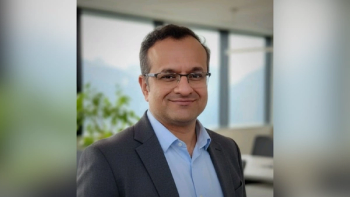
Diego Correa, MD, PhD, MSc, is vice president and global head of the Cell and Gene Therapy Center of Excellence at IQVIA. He has more than two decades of research experience in cell therapy, tissue engineering, and regenerative medicine. His expertise guides clinical trial sponsors and study teams toward innovative, data-driven solutions for CAGT studies. Dr. Correa has 60-plus peer-reviewed publications and actively contributes to international scientific organizations.
Patrick Brady, PharmD
Global Head, Therapeutic Innovation and Regulatory Science
IQVIA
Patrick Brady, PharmD, is global head of therapeutic innovation and regulatory science at IQVIA. With more than two decades of experience in regulatory affairs in the biopharmaceutical industry, Dr. Brady regularly advises R&D leadership and project teams on global drug development strategies, emerging technologies, and the changing regulatory landscape and policies to help inform strategies and decision-making.
Register Free: https://www.appliedclinicaltrialsonline.com/act_w/design-to-delivery