|Articles|May 23, 2012

Pediatric Trials: Past and Future

Author(s)Kayda Norman

Premier Research released a new survey regarding pediatric trials and reglations earlier this month. Applied Clinical Trials was able to speak with Charli Sanders, MD, Premier Research Vice President, Regulatory Affairs and Pediatric Consulting about what she hopes the future of pediatric trials brings and how these trials have already started to change.

What has changed in pediatric trials over the last few years?

For one thing, pediatric clinical trials have gotten more costly. It's not that the regulations have changed so much as enforcement of pediatric regulation compliance is becoming more rigorous. Additionally, under PREA (Pediatric Research Equity Act of 2003), the FDA has leverage to require more rigorous and comprehensive pediatric programs than previously have been requested. Consequently, procrastination can prove costly.

How do you think the results of this study will differ in the next five years?

In terms of how this survey's results will be different in five years, hopefully the biggest change will be that companies will understand and be more comfortable with the process, and will have developed a systematic method for complying.

Look for a more detailed overview about the Premier Research survey in our June issue.


Related to this article

© photon_photo - © photon_photo - stock.adobe.com
Standardized measurement across five oncology centers found that clinical research coordinators rated eSource-enabled workflows positively (Overall Mean Satisfaction 5.79 of 7), with reduced manual entry and electronic data transfer earning strong marks, while perceived reduction in sponsor and monitor queries lagged as the one domain below threshold.
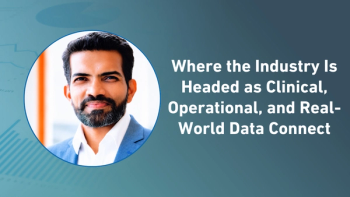
Where the Industry Is Headed as Clinical, Operational, and Real-World Data Connect
In this video interview, Rajneesh Patil, global head of AI, digital, and innovation in clinical development at Syneos Health, describes the industry’s trajectory toward a unified intelligence orchestration environment—and explains why the future isn’t one model that knows everything, but a trusted system that brings the right evidence to the right human decision.
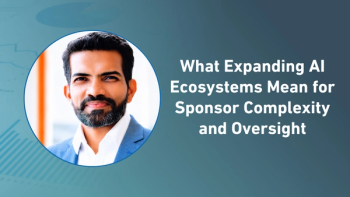
What Expanding AI Ecosystems Mean for Sponsor Complexity and Oversight
In this video interview, Rajneesh Patil, global head of AI, digital, and innovation in clinical development at Syneos Health, argues that CROs must act as orchestrators rather than aggregators—and that the real test of any AI ecosystem is whether it reduces sponsor coordination burden or just hands it back to them.
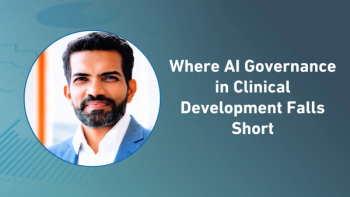
Where AI Governance in Clinical Development Falls Short
In this video interview, Rajneesh Patil, global head of AI, digital, and innovation in clinical development at Syneos Health, identifies three recurring failure modes in AI governance frameworks—and explains why responsible AI must be an ongoing operating discipline, not a one-time approval gate.