The agency is still accepting applications but is not reviewing or granting new ones, according to Reuters, while HHS says work under the program is ongoing.
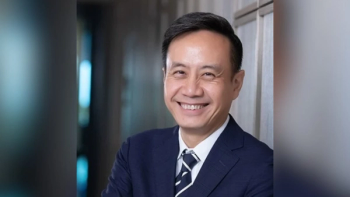
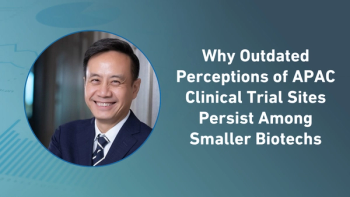
In this Q&A, James Cheong, senior vice president of Asia Pacific at Precision for Medicine, discusses why outdated perceptions of APAC sites persist among smaller biotechs, how China’s regulatory reforms have reshaped Phase III startup timelines, and what first-time sponsors need to get right in the region.
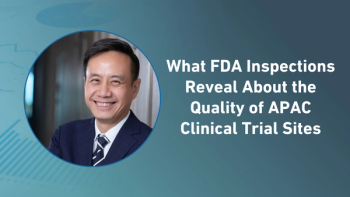
In this video interview, James Cheong, senior vice president of Asia Pacific at Precision for Medicine, explains how FDA inspection findings at APAC sites compare with those in the US and Europe, and why the common issues, such as informed consent versioning, are not unique to the region.
A pivotal trial that missed its primary endpoint became the basis for a successful redesign after the team used the data to define the high-risk patients most likely to benefit, showing that setbacks can strengthen development when organizations interrogate the evidence rather than abandon it.
In this video interview, James Cheong, senior vice president of Asia Pacific at Precision for Medicine, outlines why faster recruitment, local data requirements for registration, and lower costs make APAC attractive for global Phase III programs.
AI can draft a CSR in minutes, but the report only reflects evidence that has already converged, so faster drafting shifts the bottleneck to upstream reconciliation, database-lock readiness, and human accountability rather than shortening the trial itself.
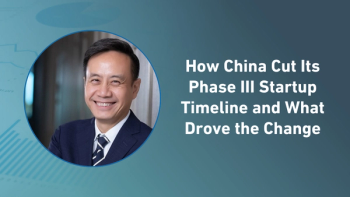
In this video interview, James Cheong, senior vice president of Asia Pacific at Precision for Medicine, details how NMPA reforms, parallel reviews, and expanded reviewer capacity brought China’s startup timelines in line with the US and Europe, and could shorten them further.
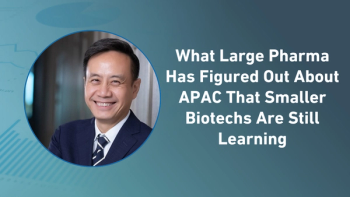
In this video interview, James Cheong, senior vice president of Asia Pacific at Precision for Medicine, explains how regulatory reform and inspection data contradict the view that APAC sites are slower or lower quality, and why sponsors need to update their assumptions.