The agency is still accepting applications but is not reviewing or granting new ones, according to Reuters, while HHS says work under the program is ongoing.
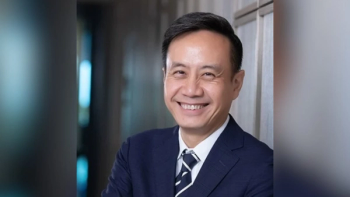
In this Q&A, James Cheong, senior vice president of Asia Pacific at Precision for Medicine, discusses why outdated perceptions of APAC sites persist among smaller biotechs, how China’s regulatory reforms have reshaped Phase III startup timelines, and what first-time sponsors need to get right in the region.
In this video interview, James Cheong, senior vice president of Asia Pacific at Precision for Medicine, shares three priorities for first-time APAC sponsors: aligning with marketing authorization plans, selecting the right sites, and choosing a CRO with regional experience and KOL networks.
In this video interview, James Cheong, senior vice president of Asia Pacific at Precision for Medicine, outlines why faster recruitment, local data requirements for registration, and lower costs make APAC attractive for global Phase III programs.
AI can draft a CSR in minutes, but the report only reflects evidence that has already converged, so faster drafting shifts the bottleneck to upstream reconciliation, database-lock readiness, and human accountability rather than shortening the trial itself.
In this video interview, James Cheong, senior vice president of Asia Pacific at Precision for Medicine, details how NMPA reforms, parallel reviews, and expanded reviewer capacity brought China’s startup timelines in line with the US and Europe, and could shorten them further.
In this video interview, James Cheong, senior vice president of Asia Pacific at Precision for Medicine, explains how regulatory reform and inspection data contradict the view that APAC sites are slower or lower quality, and why sponsors need to update their assumptions.
Community participation gaps look less like a question of patient willingness and more like a financing and infrastructure problem that no single bill has yet solved.