The current oncology and hematology drug development pipeline features a wide array of large molecule therapeutics. As a result, clinical trial protocols have grown more complex, requiring sponsors, CROs, and research sites to tackle a variety of challenges that were less common with older, more traditional therapies.
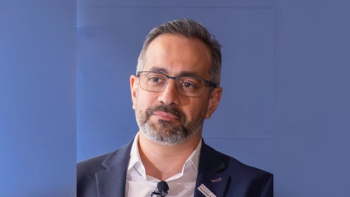
In this Q&A, Professor David Adler, chief scientific and medical officer of the PATHORA Institute of Pathology & Tissue Medicine, discusses how oncology development teams make go, change-course, or stop decisions with incomplete evidence, how preclinical, biomarker, and clinical data should be weighed together, and why pathology and tissue evidence can reshape a program before major commitments are made.
In today’s ACT Brief, we examine how matching delivery models to participant burden can improve patient-centered trials, why patient input belongs in AI-enabled research from the start, and why Sanofi is reportedly exploring a takeover of Insmed.
Decentralized trial success depends less on how far activities move away from sites than on matching each activity’s delivery model to participant burden, site readiness, and data integrity, using patient intelligence to decide where flexibility helps and where site-based care remains essential.
In today’s ACT Brief, we examine why AI-enabled trial matching could close the oncology access gap, why IRBs need substantive therapeutic expertise, and how FDA approved Regeneron’s Livsayis, a treatment given four times a year for myasthenia gravis.
Sponsors rigorously vet CROs for oncology expertise but rarely apply the same scrutiny to the IRB reviewing their trials, even though increasingly complex protocols require reviewers with substantive therapeutic knowledge, not just a rostered oncologist.
In this Q&A, Shaalan Beg, MD, MBA, FASCO, chief medical officer at ConcertAI, discusses why so many patients from underrepresented groups are never asked to join a clinical trial, how AI-enabled matching and screening can make oncology access more consistent, and why the conversation with the patient must stay human.
In today’s ACT Brief, we examine how trial matching built into standard care can replace reliance on physician memory, how federal funding cuts and FDA staff losses are pressuring biotech, and why FDA is without a commissioner nominee after the White House withdrew Heidi Overton.