|Articles|August 7, 2007

Quebec City in 1994, Montreal in 2001, and Toronto in 2007!

Quebec City in 1994, Montreal in 2001 and Toronto in 2007!

TORONTO, CANADA, July 26, 2007-Over the past fourteen years Anapharm has established itself as a world class provider of clinical and bioanalytical services to international sponsors and offers strategically located operations in five Canadian cities. Most recently, we opened a 160-bed clinical facility in Toronto, Canada.

Toronto site features:

  • Modern, efficient facilities;
  • Over 40,000 sq ft, on the 6th floor with ample natural light and park views;

  • Clinical site comprised of 4 spacious clinical units with a total capacity of 160 beds;
  • Units can be combined in order to conduct larger studies;
  • The clinic offers full clinical services and on-site Quality Assurance support. Project Management services continue to be offered at the same level of excellence as at our Quebec and Montreal sites. One of our bioanalytical sites is located nearby in Richmond Hill.

Related to this article

© photon_photo - © photon_photo - stock.adobe.com
Standardized measurement across five oncology centers found that clinical research coordinators rated eSource-enabled workflows positively (Overall Mean Satisfaction 5.79 of 7), with reduced manual entry and electronic data transfer earning strong marks, while perceived reduction in sponsor and monitor queries lagged as the one domain below threshold.
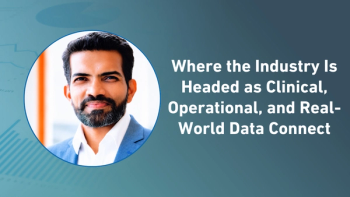
Where the Industry Is Headed as Clinical, Operational, and Real-World Data Connect
In this video interview, Rajneesh Patil, global head of AI, digital, and innovation in clinical development at Syneos Health, describes the industry’s trajectory toward a unified intelligence orchestration environment—and explains why the future isn’t one model that knows everything, but a trusted system that brings the right evidence to the right human decision.
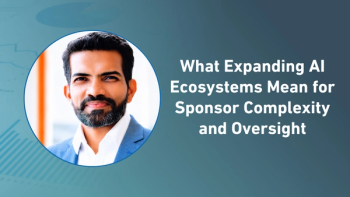
What Expanding AI Ecosystems Mean for Sponsor Complexity and Oversight
In this video interview, Rajneesh Patil, global head of AI, digital, and innovation in clinical development at Syneos Health, argues that CROs must act as orchestrators rather than aggregators—and that the real test of any AI ecosystem is whether it reduces sponsor coordination burden or just hands it back to them.