|Articles|June 17, 2015
Quintiles Introduces Infosario One Mobile App
Quintiles is extending its award-winning Quintiles Infosario® technology platform with mobile access to clinical trial information.
Advertisement
Quintiles is extending its award-winning Quintiles Infosario® technology platform with mobile access to clinical trial information. Using the mobile app, key stakeholders in the drug development process can conveniently access site start-up, recruitment and compliance information as well as status updates on data queries and project milestones. One mobile app can be personalized with different filters so users can quickly see precisely what’s most important to them. These customized views are then served up in mobile-friendly charts that automatically reflect the latest information.

Advertisement
Related to this article

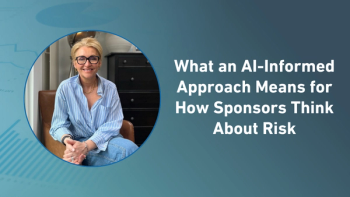
In this video interview, Claire Riches, VP of clinical solutions at Citeline, explains how AI is shifting trial risk management from reactive to proactive—enabling sponsors to pressure-test protocols and anticipate pivots before a single patient is enrolled.

In today's ACT Brief, we examine AI's role as trial design advisor with human leadership, how to govern autonomous agents in regulated operations, and real-world outcomes from switching to oral weight-loss therapy.

AI agents in clinical operations acquire broader autonomous capability through expanded permissions, tools, memory, and delegated authority, requiring governance focused on whether effective capability has shifted outside approved boundaries rather than whether software has changed.

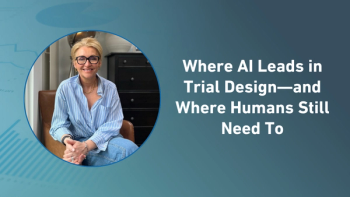
In this video interview, Claire Riches, VP of clinical solutions at Citeline, makes the case for AI as a sophisticated strategic advisor in trial design while arguing that humans must remain in the lead—especially when factors the model can't fully account for are at stake.

In today's ACT Brief, we examine how data drives honest enrollment assumptions, why RWE infrastructure lags ambition, and the disconnect between FDA rulemaking and enforcement on compounded therapies.

RWE is finding a role earlier in drug development than ever before, but the data quality, integration, and organizational alignment required to make it regulatory-grade are still catching up to the ambition.

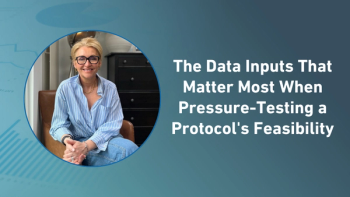
In this video interview, Claire Riches, VP of clinical solutions at Citeline, explains why combining analog trial performance data with real-world patient data and site-level recruitment history gives sponsors a far more honest picture of whether their enrollment assumptions are actually achievable.
Advertisement
Advertisement
Trending on Applied Clinical Trials Online
1
The Control Plane for Agentic Clinical Operations: Governing Autonomous Digital Actors in Regulated Trials
2
Where AI Leads in Trial Design—and Where Humans Still Need To
3
Real-World Evidence Is Moving Upstream: Is the Data Infrastructure Ready?
4
The Data Inputs That Matter Most When Pressure-Testing a Protocol's Feasibility
5