Radiopharmaceutical therapy is exposing a broader challenge for clinical development: scientific innovation can advance only as fast as the infrastructure, data, and cross-functional decisions required to deliver it.
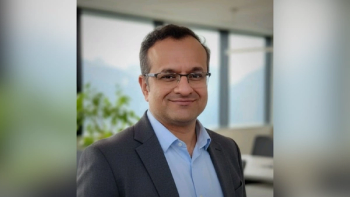
In this episode of Beyond Compliance, Otis Johnson, PhD, MPA, founder and principal consultant at Vantix Operations, speaks with Cecilia Xi, PhD, VP of clinical and scientific affairs at Vivalink, about why defensible trial data depends on traceability, platform ownership, and device strategy long after a study ends.
In this episode of Beyond Compliance, host Otis Johnson, PhD, MPA, founder and principal consultant at Vantix Operations, talks with Cecilia Xi, PhD, VP of clinical and scientific affairs at Vivalink, about what it takes for clinical trial data to remain traceable, reproducible, and defensible years after collection.
Xi explains that strong data provenance requires integrity across both time and space, tracking not just when data was collected but how it moved from raw device output to final dataset, with clear logging of any missing data or imputations. She contrasts this with traditional site-based measurements, noting that connected devices generate far greater data volume and noise, requiring automated auditing methods rather than manual review. Xi also stresses that sponsors cannot outsource accountability for their data, even when platforms and vendors do the collecting, making early data repository transfer essential to avoid loss if a vendor relationship ends.
The conversation turns to sustainability, where Xi describes how reusable, clinical-grade devices can sharply reduce operational waste compared to disposables, provided sponsors manage device service life, calibration, and consistent training across patients and sites. She closes by outlining what sponsors should evaluate in technology partners, from regulatory clearance and financial stability to encryption, non-proprietary data formats, and API access, and urges a shift from reactive compliance to treating trial data as a proactive, quality-driven scientific asset.