
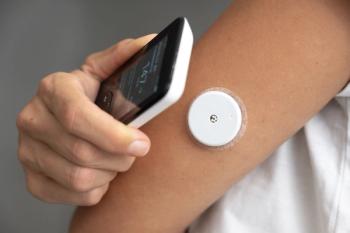
FDA and EMA expectations shape how sponsors use CGM in diabetes trials, from blinding and study-provisioned devices to data integrity and ePRO integration.

Dr. Charles M. Alexander is an endocrinologist who has more than 40 years of experience in diabetes, both direct patient care and research. Since 2016, he has provided consulting services for biopharmaceutical and medical device companies. He has also been helping The diaTribe Foundation since 2016 and serving as its Scientific and Medical Advisor since 2021. He has been a member of Penn Medicine’s Institute for Diabetes, Obesity and Metabolism (IDOM) Leadership Council since 2015. Dr. Alexander retired from Merck in 2015 after 23 years in both Outcomes Research and Medical Affairs. Roles at Merck included Global Medical Director for Diabetes in Medical Affairs 2008-2015 and Senior Director Outcomes Research from 1996-2008 and Director in Medical Affairs 1992-1996. Prior to joining Merck, he practiced diabetes, endocrinology, and internal medicine in Los Angeles for ten years and was Clinical Professor of Medicine at the Keck School of Medicine of the University of Southern California (KSOM/USC). He is a Past President of the Academy of Pharmaceutical Physicians and Investigators (APPI). In addition, he also served as a volunteer consultant in diabetes and endocrinology at the HealthLink Medical Clinic, Southampton, Pennsylvania 2010-2015. He was a member of the board of directors of the Eastern Pennsylvania & Delaware Chapter of the American Diabetes Association 2012-2018. Dr. Alexander received his medical degree from KSOM/USC where he also did his postgraduate training in internal medicine and diabetes/endocrinology. He is the author of numerous scientific articles and a frequent reviewer for medical journals.
FDA and EMA expectations shape how sponsors use CGM in diabetes trials, from blinding and study-provisioned devices to data integrity and ePRO integration.