Site training effectiveness depends on readiness at first-patient-in, requiring learning-science design principles around performance focus, cognitive load reduction, progressive sequencing, and spaced retrieval practice rather than training completion metrics or content volume.
Radiopharmaceutical therapy is exposing a broader challenge for clinical development: scientific innovation can advance only as fast as the infrastructure, data, and cross-functional decisions required to deliver it.
Mixed FSP and FSO models are gaining ground as sponsors seek agility and resource flexibility, but the oversight infrastructure, audit trails, and accountability structures needed to run them well and survive regulatory inspection are consistently lagging behind the model itself.
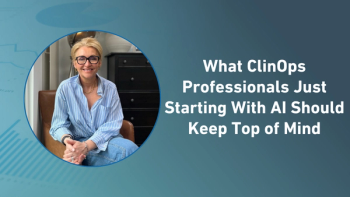
In this video interview, Claire Riches, VP of clinical solutions at Citeline, offers practical guidance for clinical operations teams beginning their AI journey—making the case that the tools are more accessible than many assume and that waiting to start is a competitive risk in itself.
AI agents in clinical operations acquire broader autonomous capability through expanded permissions, tools, memory, and delegated authority, requiring governance focused on whether effective capability has shifted outside approved boundaries rather than whether software has changed.