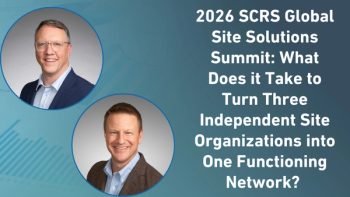
Sequoia Clinical Research’s CEO Dan White and CMO, Dr. Tom Kreamer explain what it takes to merge three site organizations into one network.
Sequoia’s Dan White and Dr. Tom Kreamer touch on why sponsors and CROs should treat a site network as one centralized partnerto speed startup timelines and strengthen execution.
Dan White, CEO, and Dr. Tom Kreamer, CMO, Sequoia Clinical Research, point to centralization as the key shift sponsors and CROs should embrace when working with a network rather than a single site.
White describes the goal as building toward a centralized business development organization that serves as a single point of contact across all sites in the network, which removes the burden of constant individual communication from each site. He notes that Sequoia is also incorporating automation into its feasibility process, allowing standard questions to be answered quickly so that investigators like Dr. Kreamer can focus their attention on the more nuanced, investigator-specific portions of a feasibility form based on their actual level of interest.
Dr. Kreamer reinforces this from an execution standpoint, stating that centralized communication, feasibility, contracting, and operational oversight collectively lead to improved startup timelines, greater consistency, and stronger study execution overall. Together, their answer suggests that sponsors and CROs working with a network should expect, and lean into, a more streamlined, centralized engagement model rather than treating each site within that network as an independent point of contact, since that structure is what ultimately speeds up and strengthens the research process.