DIA 2023: Venkatraman Balasubramanian Discusses Audience Feedback During His "The Case for Generating Synthetic Data as Real-World Data: Regulatory and Planning Perspectives” Presentation
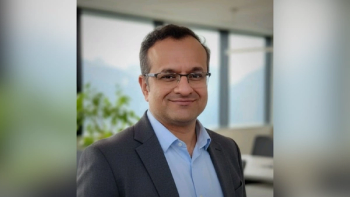
In an interview at the DIA Global Annual Meeting with Nicholas Saraceno, Venkatraman Balasubramanian, SVP and global head, industry solutions, healthcare and life sciences, Orion Innovation, discusses feedback from the audience during his session, “The Case for Generating Synthetic Data as Real-World Data: Regulatory and Planning Perspectives.”
AI agents in clinical operations acquire broader autonomous capability through expanded permissions, tools, memory, and delegated authority, requiring governance focused on whether effective capability has shifted outside approved boundaries rather than whether software has changed.
In this video interview, Claire Riches, VP of clinical solutions at Citeline, makes the case for AI as a sophisticated strategic advisor in trial design while arguing that humans must remain in the lead—especially when factors the model can't fully account for are at stake.
In today's ACT Brief, we examine how data drives honest enrollment assumptions, why RWE infrastructure lags ambition, and the disconnect between FDA rulemaking and enforcement on compounded therapies.
RWE is finding a role earlier in drug development than ever before, but the data quality, integration, and organizational alignment required to make it regulatory-grade are still catching up to the ambition.
In this video interview, Claire Riches, VP of clinical solutions at Citeline, explains why combining analog trial performance data with real-world patient data and site-level recruitment history gives sponsors a far more honest picture of whether their enrollment assumptions are actually achievable.
In today's ACT Brief, we examine what AI simulations surface in trial design, how RBQM delivers measurable financial returns, and three new FDA-approved treatments across hair loss, movement disorder, and bone disease.
In this Q&A, Sylviane de Viron of CluePoints and Abigail Dirks, MS, of Tufts CSDD discuss the findings of a collaborative study quantifying the financial value of RBQM, why time savings emerged as the largest driver, and what sponsors struggling to justify adoption now have that they didn't before.
In this video interview, Claire Riches, VP of clinical solutions at Citeline, walks through the categories of hidden protocol risk that AI-driven simulations can identify—from overly restrictive eligibility criteria to patient dropout patterns and structural trial assumptions.