Commentary|Articles|November 23, 2026
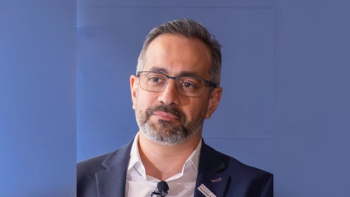
How Oncology Teams Decide to Continue, Change Course, or Stop a Program: Q&A with Professor David Adler, PATHORA
In this Q&A, Professor David Adler, chief scientific and medical officer of the PATHORA Institute of Pathology & Tissue Medicine, discusses how oncology development teams make go, change-course, or stop decisions with incomplete evidence, how preclinical, biomarker, and clinical data should be weighed together, and why pathology and tissue evidence can reshape a program before major commitments are made.
Advertisement
Advertisement
In early oncology development, incomplete evidence is unavoidable, and the quality of a decision is often shaped long before the decision itself, through the questions a team chooses to investigate and how critically it examines its own assumptions.
Related to this article

A pivotal trial that missed its primary endpoint became the basis for a successful redesign after the team used the data to define the high-risk patients most likely to benefit, showing that setbacks can strengthen development when organizations interrogate the evidence rather than abandon it.


Decentralized trial success depends less on how far activities move away from sites than on matching each activity’s delivery model to participant burden, site readiness, and data integrity, using patient intelligence to decide where flexibility helps and where site-based care remains essential.

Sponsors rigorously vet CROs for oncology expertise but rarely apply the same scrutiny to the IRB reviewing their trials, even though increasingly complex protocols require reviewers with substantive therapeutic knowledge, not just a rostered oncologist.

In this Q&A, Shaalan Beg, MD, MBA, FASCO, chief medical officer at ConcertAI, discusses why so many patients from underrepresented groups are never asked to join a clinical trial, how AI-enabled matching and screening can make oncology access more consistent, and why the conversation with the patient must stay human.

Participants in a survey of 354 pre-screening respondents rated AI voice-assisted screening (Clara) favorably and were more likely to schedule and attend study appointments than web-form users, though self-selection means the association cannot be read as causal.

In this video interview, Shaalan Beg, MD, MBA, FASCO, chief medical officer at ConcertAI, describes how physician awareness and site-level access drive screening inconsistencies, and why acceptance rates are the same across backgrounds once patients are simply asked.

FDA and EMA expectations shape how sponsors use CGM in diabetes trials, from blinding and study-provisioned devices to data integrity and ePRO integration.
Advertisement
Advertisement