Strategic Participant Payments for Twenty-First Century Clinical Trials
Donna Libretti Cooke, JD, an independent consultant working in the clinical operations space, outlines ways to build fair, just, and effective participant-centered compensation frameworks.
In this video interview, Shaalan Beg, MD, MBA, FASCO, chief medical officer at ConcertAI, describes how physician awareness and site-level access drive screening inconsistencies, and why acceptance rates are the same across backgrounds once patients are simply asked.
The agency is still accepting applications but is not reviewing or granting new ones, according to Reuters, while HHS says work under the program is ongoing.
In today’s ACT Brief, we examine how ZIP code shapes trial availability and enrollment, why smaller biotechs hold outdated views of APAC sites, and how FDA approved Pimjetmi for symptomatic tenosynovial giant cell tumor.
In this video interview, Shaalan Beg, MD, MBA, FASCO, chief medical officer at ConcertAI, explains why trial availability, shaped heavily by zip code, is the biggest barrier to enrollment and how access patterns mirror broader healthcare disparities.
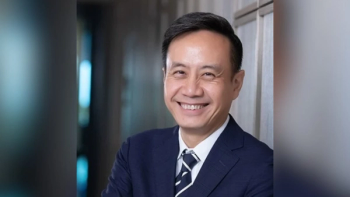
In this Q&A, James Cheong, senior vice president of Asia Pacific at Precision for Medicine, discusses why outdated perceptions of APAC sites persist among smaller biotechs, how China’s regulatory reforms have reshaped Phase III startup timelines, and what first-time sponsors need to get right in the region.
In today’s ACT Brief, we examine three priorities for first-time APAC sponsors, how continuous glucose monitoring should be used in diabetes trials, and why FDA is requiring a new eye-related warning across GLP-1 medications.
In this video interview, James Cheong, senior vice president of Asia Pacific at Precision for Medicine, shares three priorities for first-time APAC sponsors: aligning with marketing authorization plans, selecting the right sites, and choosing a CRO with regional experience and KOL networks.
FDA and EMA expectations shape how sponsors use CGM in diabetes trials, from blinding and study-provisioned devices to data integrity and ePRO integration.