|Webcasts|November 12, 2019

Trends and Insights for Your Oncology Trial: Considerations for biotech companies embarking on oncology clinical trials

Author(s)IQVIA Biotech

This complimentary webinar explores top trends influencing oncology clinical development. We will share insights and best practices to help ensure your future oncology trials are designed to be quick and efficient and yield high quality data for the best chance for success. Live: Tuesday, November 12, 2019 at 10am EST On demand available after airing until Nov. 12, 2020. Register free

Register free: http://www.appliedclinicaltrialsonline.com/act_w/insights

Event Overview:

A record number of new oncology drugs have been approved in recent years, bringing new treatment options to patients. However, despite robust levels of pipeline activity, oncology trials are complex and remain a challenging area for research and development. 

Join this webinar to learn about trends shaping the development and delivery of cancer treatment worldwide. We will share insights and best practices to help ensure your future oncology trials are designed to be quick and efficient and yield high-quality data for the best chance of success. Our experts will address specific considerations for biotech companies embarking on oncology trials.

Key Learning Objectives:

Understand top trends driving change in oncology clinical development today and through 2023.

Recognize the impact of new therapies and care standards on trial planning and design.

Learn how to apply real world evidence to trial design, trial start-up, and trial conduct for more efficient and effective trials.

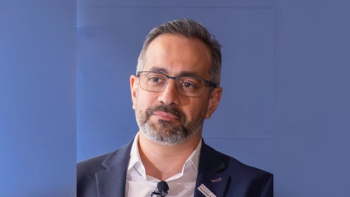
Speakers: Murray Aitken, Executive Director, IQVIA Institute for Human Data Science

Andrew Zupnick, Ph.D., Vice President, Oncology Strategy, IQVIA Biotech

Time and date: Tuesday, November 12, 2019 at 10am EST

On demand available after airing until Nov. 12, 2020.

Sponsor: IQVIA

Register free: http://www.appliedclinicaltrialsonline.com/act_w/insights


Related to this article

How Oncology Teams Decide to Continue, Change Course, or Stop a Program: Q&A with Professor David Adler, PATHORA
In this Q&A, Professor David Adler, chief scientific and medical officer of the PATHORA Institute of Pathology & Tissue Medicine, discusses how oncology development teams make go, change-course, or stop decisions with incomplete evidence, how preclinical, biomarker, and clinical data should be weighed together, and why pathology and tissue evidence can reshape a program before major commitments are made.

The Next Evolution of Patient-Centered Trials Starts with Design
Decentralized trial success depends less on how far activities move away from sites than on matching each activity’s delivery model to participant burden, site readiness, and data integrity, using patient intelligence to decide where flexibility helps and where site-based care remains essential.
© putilov_denis - © putilov_denis - stock.adobe.com
Sponsors rigorously vet CROs for oncology expertise but rarely apply the same scrutiny to the IRB reviewing their trials, even though increasingly complex protocols require reviewers with substantive therapeutic knowledge, not just a rostered oncologist.