FDA and EMA expectations shape how sponsors use CGM in diabetes trials, from blinding and study-provisioned devices to data integrity and ePRO integration.
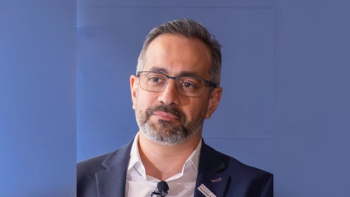
In Episode 4 of The Human Side of Clinical Trials, host Brian S. McGowan, PhD, FACEHP, chief learning officer and co-founder of ArcheMedX, Inc., speaks with Jason Riis, PhD, CEO and chief behavioral scientist at Behavioralize, about how capturing friction closer to the moment it happens can reveal unclear instructions, technology friction, and workarounds that retrospective surveys and debriefs tend to miss.
Decentralized trial success depends less on how far activities move away from sites than on matching each activity’s delivery model to participant burden, site readiness, and data integrity, using patient intelligence to decide where flexibility helps and where site-based care remains essential.
In today’s ACT Brief, we examine why AI-enabled trial matching could close the oncology access gap, why IRBs need substantive therapeutic expertise, and how FDA approved Regeneron’s Livsayis, a treatment given four times a year for myasthenia gravis.
Sponsors rigorously vet CROs for oncology expertise but rarely apply the same scrutiny to the IRB reviewing their trials, even though increasingly complex protocols require reviewers with substantive therapeutic knowledge, not just a rostered oncologist.
In this Q&A, Shaalan Beg, MD, MBA, FASCO, chief medical officer at ConcertAI, discusses why so many patients from underrepresented groups are never asked to join a clinical trial, how AI-enabled matching and screening can make oncology access more consistent, and why the conversation with the patient must stay human.
In today’s ACT Brief, we examine how trial matching built into standard care can replace reliance on physician memory, how federal funding cuts and FDA staff losses are pressuring biotech, and why FDA is without a commissioner nominee after the White House withdrew Heidi Overton.
Cassel Salpeter & Co.’s Q3 healthcare update points to disrupted NIH grant processing, FDA attrition, and tariffs as pressures on drug development and early-stage financing.