Radiopharmaceutical therapy is exposing a broader challenge for clinical development: scientific innovation can advance only as fast as the infrastructure, data, and cross-functional decisions required to deliver it.
A new FDA Voices post from the agency's acting chief of staff details completed milestones and upcoming priorities across complete response letter disclosure, application lifecycle transparency, new approach methodologies, labeling, and inspectional records.
In today's ACT Brief, we examine FDA input sought on early-phase ibogaine protocols, why mixed outsourcing models spread faster than oversight infrastructure, and a major partnership for a rare kidney disease treatment.
Mixed FSP and FSO models are gaining ground as sponsors seek agility and resource flexibility, but the oversight infrastructure, audit trails, and accountability structures needed to run them well and survive regulatory inspection are consistently lagging behind the model itself.
A new request for information asks for comments on dose selection, safety monitoring, eligibility criteria, and oversight approaches to support the responsible development of ibogaine drug products.
In today's ACT Brief, we examine practical guidance for clinical operations teams beginning AI adoption, how hierarchical endpoints better reflect treatment benefit, and why early-stage program failures signal smarter pipeline management.
Hierarchical composite endpoints analyzed through pairwise comparisons more accurately reflect multifaceted treatment benefit than time-to-first-event composites, but transparent outcome prioritization, patient involvement in ranking, and reporting of Net Treatment Benefit remain underutilized despite their importance to interpretation.
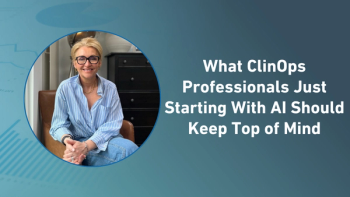
In this video interview, Claire Riches, VP of clinical solutions at Citeline, offers practical guidance for clinical operations teams beginning their AI journey—making the case that the tools are more accessible than many assume and that waiting to start is a competitive risk in itself.