Commentary|Videos|January 30, 2025

Answering Critical Research Questions in Multiple Myeloma

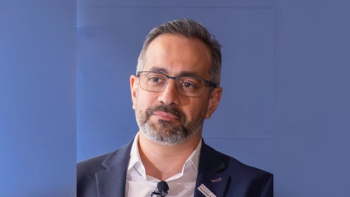
In this video interview, Michael Andreini, president and CEO of the Multiple Myeloma Research Foundation, talks unmet need in the multiple myeloma space and how the Horizon trial is addressing complexity in treatment regimens.

In a recent video interview with Applied Clinical Trials, Michael Andreini, president and CEO of the Multiple Myeloma Research Foundation (MMRF), discussed challenges in multiple myeloma clinical trials, including inefficiency, lack of focus on critical patient questions, and underrepresentation of diverse patient populations. Andreini also highlighted the Horizon clinical trial and how MMRF is working to address unmet need in the myeloma research space.

ACT: What unmet needs or unanswered research questions is the Horizon trial hoping to address?

Andreini: In the myeloma field, there are now 15 plus approved therapies for patients, and that's an amazing thing, right? There's been so much progress to date. However, with so many drugs available now, it's increasingly complex to determine what are the optimal drug combinations, sequencing approaches, and dosing schedules for each and every patient, so there's a tremendous need, therefore, to have more efficient and focused clinical trials to help answer these types of questions. Our first platform as part of our Horizon clinical trials program is focused in relapse and refractory disease, because that is certainly an area of great unmet need for patients, but also we plan on opening a second platform later this year in high risk newly diagnosed disease, because we know also that these patients don't do well on standard of care and need new options.


Related to this article

The Next Evolution of Patient-Centered Trials Starts with Design
Decentralized trial success depends less on how far activities move away from sites than on matching each activity’s delivery model to participant burden, site readiness, and data integrity, using patient intelligence to decide where flexibility helps and where site-based care remains essential.
© putilov_denis - © putilov_denis - stock.adobe.com
Sponsors rigorously vet CROs for oncology expertise but rarely apply the same scrutiny to the IRB reviewing their trials, even though increasingly complex protocols require reviewers with substantive therapeutic knowledge, not just a rostered oncologist.