Breaking the Efficacy Ceiling in IBD and Beyond
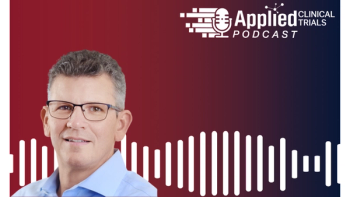
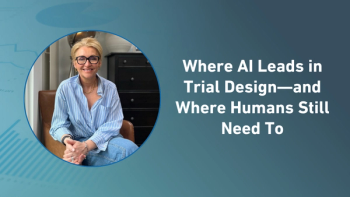
AbbVie’s head of immunology clinical development, Kori Wallace, MD, PhD, discusses how combination therapies, translational science, and emerging immune-reset approaches could usher in a new era of treatment for inflammatory bowel disease and other autoimmune conditions.
Despite significant advances in treating inflammatory bowel disease (IBD) and other autoimmune conditions, many patients still fail to achieve lasting remission. In this video episode of the Applied Clinical Trials podcast, Kori Wallace, MD, PhD, vice president and global head of immunology clinical development at AbbVie, examines the biological complexity behind this persistent “efficacy ceiling” and the strategies being pursued to move beyond incremental gains.
Wallace explores the shift toward more stringent, tissue-based treatment targets; the potential of combining complementary mechanisms; and the ongoing search for biomarkers that can make precision medicine practical in immunology. She also dives into the promise of B-cell depletion and in vivo CAR-T approaches designed to reset the immune system, potentially opening a path toward deep, durable, drug-free remission.

Other conversation highlights include:
- The effectiveness plateau: Why symptom improvement alone is no longer an adequate treatment goal in IBD clinical trials and how endoscopic and histologic measures are raising expectations.
- Precision medicine's unfinished business: Immunology still lags behind oncology in biomarker-driven treatment selection, hampering the predictive accuracy the field needs to make personalized treatment truly meaningful for clinicians.
- Are new advances turning the tide?: What translational science, spatial transcriptomics, AI, and machine learning may contribute to identifying meaningful predictive biomarkers.
- A "third wave" of in vivo CAR T therapy: How AbbVie and other developers aim to reset the immune system without the burdens of ex vivo cell therapy.
Click below to listen to the audio version and subscribe to the Applied Clinical Trials Podcast: