Commentary|Videos|September 10, 2025

Ensuring Digital Trial Platforms Work for Underserved Communities

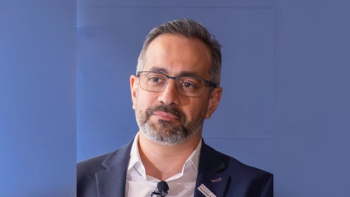
In this video interview, Adrianne Rivard, senior community development manager at myTomorrows, highlights how combining AI platforms with patient navigators can make trial-finding tools more equitable and accessible across diverse healthcare settings.

In a recent video interview with Applied Clinical Trials, Adrianne Rivard, senior community development manager, myTomorrows, discussed the challenges physicians face in identifying clinical trials. Highlighting insights from a recent myTomorrows report on the need to streamline clinical operations, Rivard touched on the use of artificial intelligence (AI) to streamline pre-screening, which can reduce the need for multiple databases. She also discussed how AI tools are gaining use, necessitating compliance with data privacy standards and ongoing education to build trust among physicians.

ACT: How can clinical operations leaders ensure that these digital trial-finding platforms are equitable and effective across diverse healthcare settings, especially for underserved populations?

Rivard: Also a really important question, because I feel like there's a huge gap in access for underserved communities, and this can be access to information and access to treatments, access to support, even, and I think at myTomorrows how we're trying to address this is not only are we a tech company, but we're also a service-led company, so we have a team of patient navigators that provides hands on support for patients, but also physicians through this search and referral process. I think that this personalized support is really trying to bridge that gap in understanding and access, especially for these underserved communities. We really feel like this combination of technology, but also having this human touch, is really important.

Related to this article

Closing the Community Access Gap: Q&A with Kent Thoelke, Paradigm Health
In this Q&A, Kent Thoelke, CEO of Paradigm Health, discusses why participation gaps in community and rural settings come down to both patient cost barriers and site infrastructure, how legacy workflows weigh on community clinics, and what policy and technology changes it would take to make clinical research a real care option for more patients.
The Next Evolution of Patient-Centered Trials Starts with Design
Decentralized trial success depends less on how far activities move away from sites than on matching each activity’s delivery model to participant burden, site readiness, and data integrity, using patient intelligence to decide where flexibility helps and where site-based care remains essential.