

Data from the NETTER-2 trial show that first-line treatment with Lutathera plus long-acting release octreotide lowered the risk of disease progression or death by 72% in patients with advanced gastroenteropancreatic neuroendocrine tumors.
Data from the NETTER-2 trial show that first-line treatment with Lutathera plus long-acting release octreotide lowered the risk of disease progression or death by 72% in patients with advanced gastroenteropancreatic neuroendocrine tumors.

The Phase III LUNAR trial (NCT02973789) is evaluating the addition of tumor-treating fields to standard-of-care therapies in patients with non-small cell lung cancer following disease progression on or after platinum-based treatment.
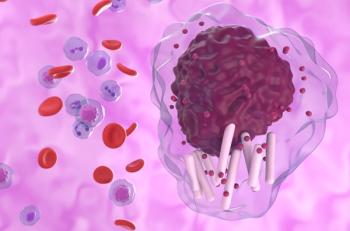
FDA Fast Track Designation precedes an acceleration of enrollment in a Phase I trial of NX-5948 in adults with relapsed or refractory chronic lymphocytic leukemia or small lymphocytic lymphoma following at least two lines of therapy that includes a BTK inhibitor and a BCL2 inhibitor.

Findings from ADVANCE-CIDP 1 and ADVANCE-CIDP 3 trials lead to FDA approval for HyQvia as a maintenance therapy to protect against relapse of neuromuscular disability and impairment in adult patients with chronic inflammatory demyelinating polyneuropathy.

Casgevy is a non-viral, ex vivo CRISPR/Cas9 gene-edited cell therapy that was also recently approved for sickle cell disease.

Data from the Phase III LIBERTY-AD-HAFT trial show 40% of patients with atopic dermatitis with uncontrolled moderate-to-severe hand and/or foot involvement who were administered Dupixent achieved clear or almost clear skin on their hands and feet.

The 39th overall approval for Keytruda was based on data from the Phase III KEYNOTE-A18 trial in patients with FIGO 2014 stage III to IVA cervical cancer.

An open-label, randomized, dose-optimization Phase II trial (NCT06173037) is assessing the antibody-drug conjugate RC88 to determine the optimal dosage, efficacy, and safety in patients with platinum-resistant ovarian cancer.

The efficacy of Axon Therapy was shown in a randomized controlled trial that demonstrated significant efficacy in reducing pain and numbness associated with painful diabetic neuropathy.
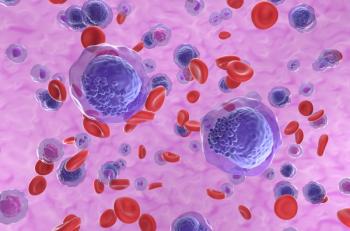
SLS009 is a CDK9 inhibitor under evaluation in an ongoing Phase I/II study in patients with relapsed or refractory acute myeloid leukemia.

Shorla Oncology’s New Drug Application for SH-105 for breast and ovarian cancers was given a Prescription Drug User Fee Act action date of June 29, 2024.
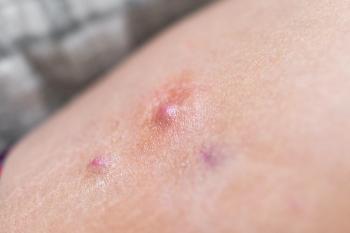
AbbVie will advance the clinical program for the investigational, dual-variable-domain IL 1α/1β antagonist lutikizumab to Phase III for the treatment of adults with moderate to severe hidradenitis suppurativa who previously failed anti-TNF therapy.

The FDA's complete response letter was not related to clinical trial data for efficacy or safety for zolbetuximab for the treatment of patients with locally advanced unresectable or metastatic HER2-negative gastric or gastroesophageal junction.

Findings from the Phase III innovaTV 301 trial showed a favorable benefit/risk profile for Tivdak (tisotumab vedotin-tftv), as well as improved overall survival for patients with recurrent and metastatic cervical cancer who have limited treatment options.

Rinatabart sesutecan (Rina-S; PRO1184) is a novel folate receptor alpha (FRα)–targeted antibody-drug conjugate for patients with FRα-expressing high-grade serous or endometrioid platinum-resistant ovarian cancer.
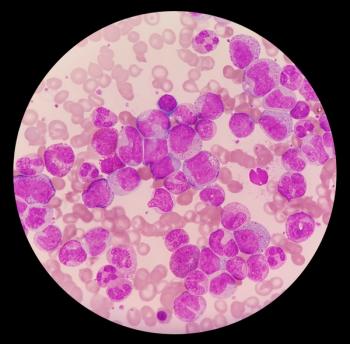
Phase III ASC4FIRST show Scemblix (asciminib) plus investigators’ choice of tyrosine kinase inhibitor produced a statistically significant response in patients newly diagnosed with Philadelphia chromosome-positive chronic myeloid leukemia in chronic phase.

Data from the Phase III ZIRCON trial show the positron emission tomography imaging agent 89Zr-DFO-girentuximab was more effective than traditional PET/CT imaging in identifying malignant renal cell carcinoma lesions.

Merck is actively enrolling patients for investigational drugs that treat essential thrombocythemia, chronic lymphocytic leukemia, small lymphocytic lymphoma, non-small cell lung cancer, endometrial carcinoma, and metastatic castration-resistant prostate cancer.

Results from the Phase III BOND-003 trial demonstrated that treatment with CG Oncology Inc’s cretostimogene grenadenorepvec (CG0070) provided clinical benefit in complete responses with acceptable tolerability for the treatment of patients with high-risk Bacillus Calmette-Guérin (BCG)–unresponsive non–muscle invasive bladder cancer.
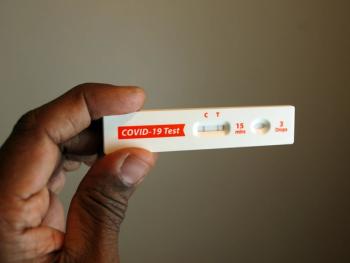
EUA submission based on positive initial findings from the pivotal Phase III CANOPY clinical trial for VYD222, a broadly neutralizing, half-life extended monoclonal antibody developed specifically to prevent COVID-19 in immunocompromised adults and adolescents.

A Phase II trial (NCT02446093) is currently investigating neoadjuvant therapy with aglatimagene besadenovec plus valacyclovir with standard chemoradiation and surgery for the treatment of patients with borderline resectable or locally advanced nonmetastatic pancreatic ductal adenocarcinoma.

Results from the Phase III OUtMATCH trial show Xolair significantly increased the amount of peanuts, milk, egg, and cashew that patients with food allergies could consume before triggering an allergic reaction.

Garadacimab was previously granted orphan drug designation for patients with hereditary angioedema by both the FDA and EMA.
Filsuvez is indicated to treat wounds associated with junctional epidermolysis bullosa and dystrophic epidermolysis bullosa in patients aged 6 months and older.

If approved, Merck's V116 would be the first pneumococcal conjugate vaccine specifically designed to address the serotypes that cause most adult invasive pneumococcal disease.

Adbry is the first and only biologic FDA-approved for patients 12 to 17 years of age with moderate-to-severe atopic dermatitis whose disease is not adequately controlled with topical prescription therapies or for whom those therapies are not advisable.

A single dose of mRNA-1345 produced lower incidence of respiratory syncytial virus-associated lower respiratory tract disease and RSV-associated acute respiratory disease.

Phase III RUBY/ENGOT-EN6/GOG3031/NSGO trial show a statistically significant and clinically meaningful benefit for Jemperli plus standard-of-care chemotherapy with carboplatin and paclitaxel, followed by Jemperli plus Zejula across the overall patient population and among a subpopulation of patients with MMRp/MSS tumors in those with primary advanced or recurrent endometrial cancer.
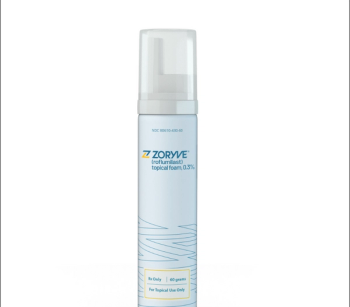
Zoryve (roflumilast) topical foam, 0.3% is a highly potent and selective phosphodiesterase type 4 inhibitor in development to treat inflammatory dermatoses.

Results from the EV-302/KN-A39 clinical trial found that Padcev (enfortumab vedotin-ejfv) plus Keytruda (pembrolizumab) produced a median overall survival of 31.5 months compared to 16.1 months with platinum-based chemotherapy.