

A higher percentage of patients with advanced clear-cell renal cell carcinoma administered Welireg were alive and without disease progression compared to everolimus at 12 and 18 months.
A higher percentage of patients with advanced clear-cell renal cell carcinoma administered Welireg were alive and without disease progression compared to everolimus at 12 and 18 months.

Phase III REST-ON trial data show higher rates of weight loss in patients administered Lumryz to treat both narcolepsy type 1 (with cataplexy) and narcolepsy type 2 (without cataplexy) compared with placebo.

Patients administered tirzepatide (Zepbound and Mounjaro; Eli Lilly) also achieved sustained weight loss in Phase III trial, with individuals administered the 15 mg dose showing a 22.9% average reduction in body weight compared with 2.1% among those receiving placebo.
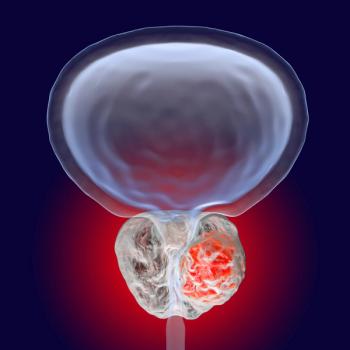
Cohort study shows Xtandi (enzalutamide) achieved statistically significant improvements in overall survival vs. abiraterone acetate in the treatment of metastatic castration-resistant prostate cancer.
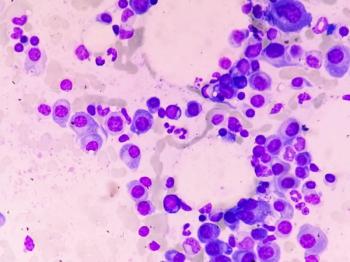
Induction therapy comprised of Sarclisa (isatuximab-irfc; Sanofi) plus lenalidomide, bortezomib, and dexamethasone significantly improved progression-free survival from first randomization in transplant-eligible patients with newly diagnosed multiple myeloma.

Results show nipocalimab could address the high unmet need of patients with severe hemolytic disease of the fetus and newborn, which is a life-threatening and rare condition with no other therapies currently in clinical development.

Study shows efficacy of olanzapine in improving complete response rates and chemotherapy-induced nausea and vomiting in patients receiving moderately emetogenic chemotherapy regimens comprised of oxaliplatin, carboplatin, or irinotecan.

Tremfya dosing at an interval of every 16 weeks was noninferior to the standard every eight weeks dosing interval for maintenance of psoriasis disease control.

Multiple observational studies have shown that patients with cancer and a higher body mass index who were administered chemotherapy experienced improved survival compared to patients with normal body weight.

Phase IV study finds antihypertensive therapy guided by ambulatory blood pressure monitoring improves target organ damage in patients with masked hypertension.

Phase III DREAMM 7 trial data show median progression-free survival of 36.6 months with Blenrep (belantamab mafodotin), bortezomib, and dexamethasone compared to 13.4 months with Darzalex (daratumumab), bortezomib, and dexamethasone.

Randomized trial finds once daily oral semaglutide 50 mg lowered energy intake, appetite, and food cravings, with improved control of eating and clinically meaningful reductions in body weight after 20 weeks.

Phase IIb trial indicates liraglutide (Novo Nordisk) may reduce cognitive decline associated with Alzheimer disease by protecting against shrinkage in areas of the brain controlling memory, learning, language, and decision-making.

Randomized trial shows Farxiga improved right ventricular pulsatile afterload and myocardial performance during exercise in patients with heart failure with preserved ejection fraction.
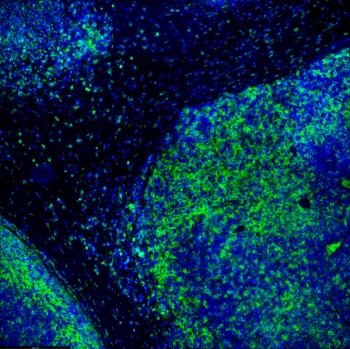
Study explores the role of the gut microbiome in shaping immune responses and efficacy of immune checkpoint inhibitors in the treatment of multiple cancer types.
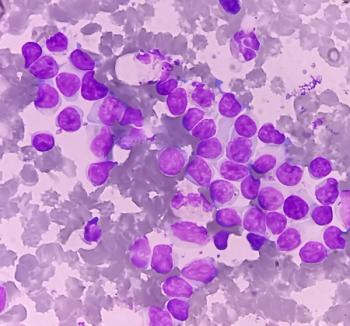
Blincyto was recently approved by the FDA to treat CD19-positive Philadelphia chromosome-negative B-cell precursor acute lymphoblastic leukemia.

Results from an induction trial and maintenance trial show Skyrizi (risankizumab) improved endoscopic and histological secondary outcomes characterized by endoscopic improvement, remission, and histological, endoscopic, and mucosal improvements in patients with moderately to severely active ulcerative colitis.

Antibody-mediated rejection is the primary cause of kidney allograft failure following kidney transplantation.

Study finds a potential risk of adverse events associated with long-term use of oral corticosteroids in patients with exacerbations of atopic dermatitis.

Paxlovid was the first oral drug approved by the FDA to treat Covid-19 in adults who do not require supplemental oxygen and who have an increased risk of progression to severe disease.
Altuviiio is a first-in-class, high-sustained factor VIII replacement therapy, indicated for routine prophylaxis and on-demand treatment to control bleeding episodes in adults and children with hemophilia.

Study shows patients 80 years and older with atrial fibrillation treated with a lower dose of edoxaban experienced fewer major gastrointestinal bleeding events for each additional ischemic stroke.

Phase III RAISE trial shows superiorty of reteplase over alteplase in improving patients’ functional outcomes without increasing incidence of symptomatic intracranial hemorrhage and death from ischemic stroke within 4.5 hours after symptom onset.
In a Phase I-II trial, CM313 was found to inhibit antibody-dependent cell-mediated cytotoxicity on platelets while achieving long-term efficacy in patients with immune thrombocytopenia.

NF2-related schwannomatosis is a relentlessly progressive tumor predisposition syndrome with no FDA-approved treatments.

Study findings suggest that campaigns starting each year at the beginning of respiratory syncytial virus outbreaks, instead of continuous treatment of newborns throughout the year, may improve the usefulness of the Beyfortus program.

Phase III innovaTV 301/ENGOT-cx12/GOG-3057 trial findings indicate that Tivdak (tisotumab vedotin-tftv) may be the preferred second- or third-line treatment option over chemotherapy for patients with recurrent cervical cancer.

Phase III NOTUS trial data show patients with chronic obstructive pulmonary disease and type 2 inflammation administered Dupixent experienced reduced exacerbations and superior lung function compared to placebo.
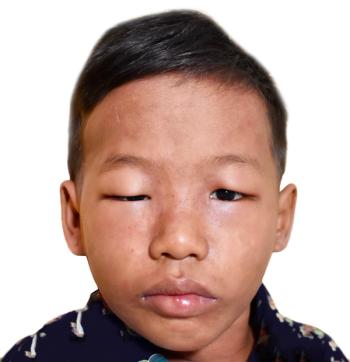
Patients administered donidalorsen experienced a lower hereditary angioedema (HAE) attack rate, which indicates the potential for prophylactic use in treating HAE.
Phase III trial data shows significant survival benefit with Rybrevant plus Leclaza compared to Tagrisso in the treatment of patients with previously untreated or Tagrisso-pretreated epidermal growth factor receptor–mutated advanced non–small-cell lung cancer.