



FDA grants Priority Review status to Sanofi's tolebrutinib for the treatment of non-relapsing secondary progressive multiple sclerosis based on positive findings from multiple Phase III trials.

Phase III SOUL trial shows daily oral semaglutide lowers the risk of major adverse cardiovascular events in patients with type 2 diabetes and atherosclerotic cardiovascular disease or chronic kidney disease, with benefits consistent with injectable semaglutide and other GLP-1 receptor agonists.

API-CAT Trial Shows Reduced-Dose Eliquis Matches Full Dose in Preventing Venous Thromboembolism, Lowers Bleeding Risk in Cancer Patients

Novel PCSK9 Inhibitor Achieves Significant Reduction in LDL Cholesterol Levels in Phase IIb Trial
FDA grants Priority Review status to Sanofi's tolebrutinib for the treatment of non-relapsing secondary progressive multiple sclerosis based on positive findings from multiple Phase III trials.

Phase III VERITAC-2 trial results show vepdegestrant significantly improved progression-free survivalcompared to fulvestrant in patients with ESR1-mutant (ESR1m) advanced or metastatic breast cancer, but did not achieve statistical significance in the overall intent-to-treat population.

Phase III IMvoke010 trial found that maintenance treatment with Tecentriq (atezolizumab) did not significantly improve survival compared with placebo in patients with locally advanced squamous cell carcinoma of the head and neck following multimodal definitive treatment.

Phase III DIPPER trial shows that adjuvant camrelizumab administered after induction-concurrent chemoradiotherapy significantly improved event-free survival in patients with locoregionally advanced nasopharyngeal carcinoma, along with a favorable safety profile.

FDA grants Fast Track designation to Johnson & Johnson’s investigational therapy nipocalimab for the treatment of moderate-to-severe Sjögren’s disease, which could be the first FcRn blocker ever approved for the autoimmune condition.

In the Phase III MIRASOL trial, Elahere (mirvetuximab soravtansine-gynx) significantly improved progression-free survival and overall survival compared to chemotherapy in patients with folate receptor alpha-positive platinum-resistant ovarian cancer.

The BRAVE-AA-PEDS trial found that once-daily baricitinib significantly improved hair regrowth on the scalp, eyebrows, and eyelashes in adolescents with severe alopecia areata after 36 weeks, with faster response rates compared to adults.

Phase I trial results show the potential of once-yearly lenacapavir as a long-acting PrEP option for HIV, supporting further clinical development in a more diverse population.
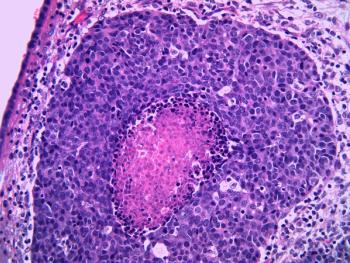
A meta-analysis of 11 trials shows that Padcev (enfortumab vedotin-ejfv), both alone and in combination with Keytruda (pembrolizumab), significantly improves response rates and survival outcomes compared to conventional chemotherapy in metastatic urothelial carcinoma.

Sotyktu (deucravacitinib) demonstrated significant efficacy in improving psoriatic arthritis symptoms compared to placebo in the Phase III POETYK PsA-2 trial, with a well-tolerated safety profile.

Phase III MATTERHORN trial data show a statistically significant and clinically meaningful improvement in event-free survival for patients with resectable gastric and gastroesophageal junction cancer when treated with perioperative Imfinzi (durvalumab) plus FLOT chemotherapy compared to chemotherapy alone.

Phase III REMIX-1 and REMIX-2 trials demonstrated that remibrutinib, an oral BTK inhibitor, significantly reduced chronic spontaneous urticaria symptoms in patients unresponsive to second-generation H1-antihistamines.

Analysis shows the addition of Keytruda (pembrolizumab) to standard chemoradiotherapy for newly diagnosed, locally advanced cervical cancer is not cost-effective at its current price.

Phase III WAYPOINT trial shows Tezspire (tezepelumab) significantly reduces nasal polyp size and congestion severity in patients with severe, uncontrolled chronic rhinosinusitis with nasal polyps, while also decreasing the need for surgery and systemic glucocorticoids.

Xolair (omalizumab) shows superior efficacy and safety compared to multi-allergen oral immunotherapy in treating food allergies in the Phase III OUtMATCH trial, suggesting the potential to facilitate the introduction of allergenic foods into patients' diets after treatment.
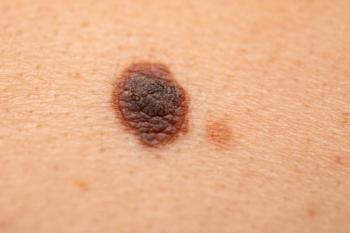
Results from the RELATIVITY-098 trial of Opdualag in the adjuvant treatment of completely resected stage III-IV melanoma did not meet the primary endpoint of recurrence-free survival.

Phase III PRESTIGE-AF trial shows that direct oral anticoagulants significantly lower the risk of ischemic stroke in survivors of intracerebral hemorrhage (ICH) with atrial fibrillation, but increased the risk of recurrent ICH and major bleeding complications.

The Phase III GEMSTONE-303 trial demonstrated that sugemalimab plus chemotherapy significantly improves overall survival and progression-free survival compared to chemotherapy in patients with locally advanced or metastatic gastric or gastroesophageal junction adenocarcinoma with PD-L1 CPS ≥5.

The combination of Opdivo plus Yervoy produced significant Phase III trial results in the first-line treatment of patients aged 12 and older with unresectable or metastatic MSI-H/dMMR colorectal cancer.

Data from the Phase III EMERGE trial show treatment with Symbravo provided more rapid and sustained migraine relief with improved quality of life in patients who previously had an inadequate response to CGRP treatments.

Tremfya could become the first IL-23 inhibitor with fully subcutaneous induction and maintenance options in the treatment of moderately to severely active ulcerative colitis.
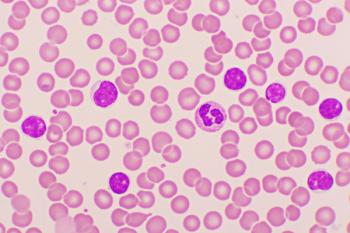
The first prespecified interim analysis of the Phase III AMPLIFY trial found that fixed-duration Calquence (acalabrutinib) plus venetoclax, with or without Gazyva (obinutuzumab), significantly improved progression-free survival compared to chemoimmunotherapy in fit patients with previously untreated chronic lymphocytic leukemia.

The final analysis of the Phase III CheckMate -816 trial confirmed a statistically significant overall survival benefit for patients with resectable non-small cell lung cancer treated with neoadjuvant Opdivo (nivolumab) plus chemotherapy.
Five-year data from the POETYK PSO long-term extension trial confirm the sustained efficacy and safety of Sotyktu (deucravacitinib) for moderate-to-severe plaque psoriasis, with patients maintaining high clinical response rates and no new safety concerns identified.

Updated data from the Phase III TALAPRO-2 trial show that the combination of Talzenna (talazoparib) and Xtandi (enzalutamide) significantly improves overall survival in patients with metastatic castration-resistant prostate cancer regardless of mutation status.