


The 12-month open-label extension of the PACIFIC trial demonstrated that bexicaserin significantly reduced seizure frequency in patients with developmental and epileptic encephalopathies while maintaining a favorable safety and tolerability profile.

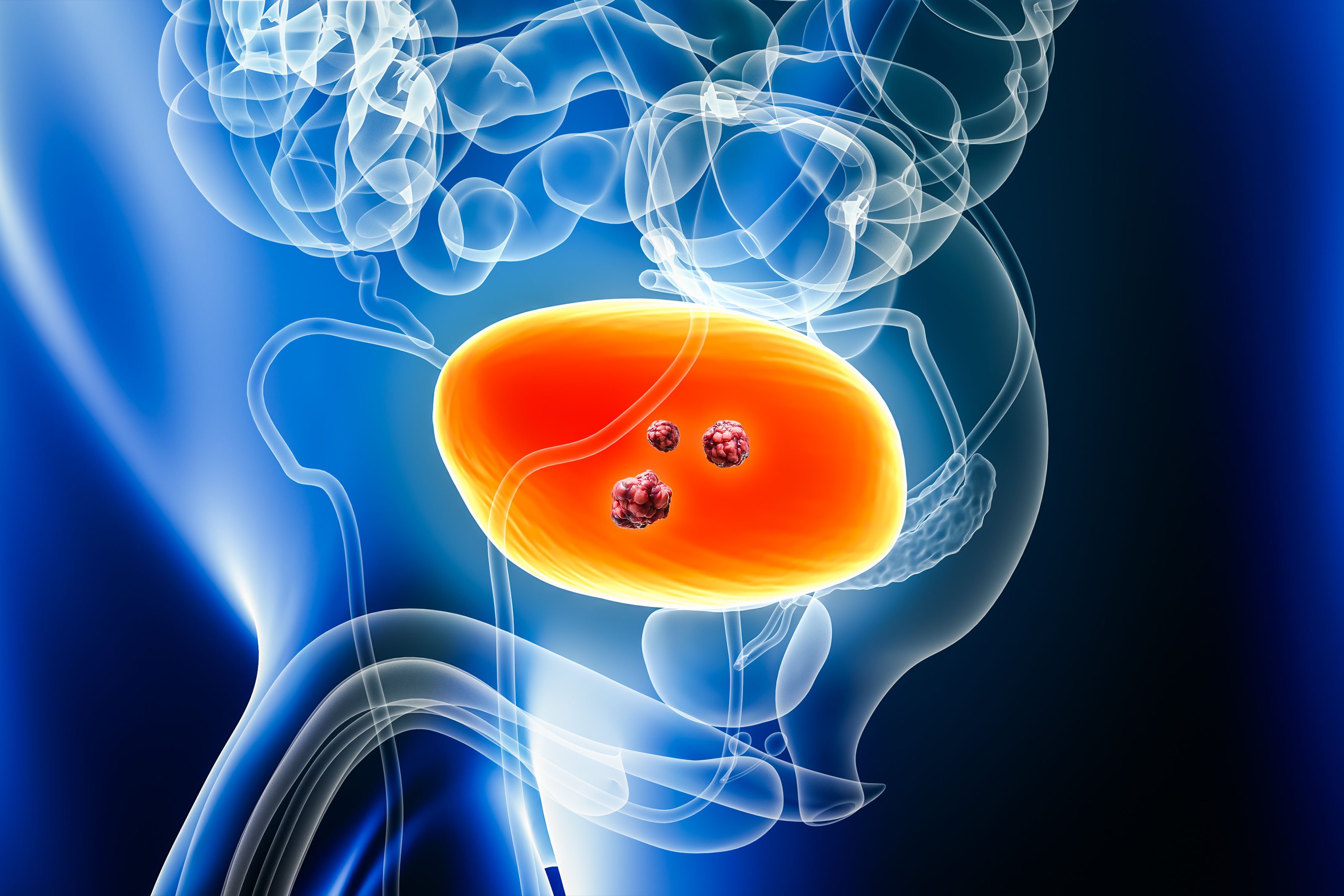
EV-302 Trial Confirms Sustained Survival Benefits with Padcev-Keytruda Combo in Locally Advanced or Metastatic Urothelial Cancer

Phase III REGENCY Trial Confirms Gazyva/Gazyvaro Significantly Improves Kidney Outcomes in Lupus Nephritis Patients
The 12-month open-label extension of the PACIFIC trial demonstrated that bexicaserin significantly reduced seizure frequency in patients with developmental and epileptic encephalopathies while maintaining a favorable safety and tolerability profile.

The Phase III HYPERION trial was stopped early after strong positive interim results from the ZENITH trial demonstrated the efficacy of Winrevair (sotatercept-csrk) in treating pulmonary arterial hypertension, making it unethical to continue.

Abelacimab was found to significantly lower factor XI levels and bleeding events compared to rivaroxaban (Xarelto) in patients with atrial fibrillation at moderate-to-high risk for stroke.

The Phase III INAVO120 trial found that a combination of Itovebi (inavolisib) with Ibrance (palbociclib) and Faslodex (fulvestrant) significantly improved overall survival and progression-free survival in patients with PIK3CA-mutated, HR-positive, HER2-negative, endocrine-resistant advanced or metastatic breast cancer.

Phase III CheckMate -8HW trial shows the combination of Opdivo (nivolumab) and Yervoy (ipilimumab) significantly improved progression-free survival and overall response rates in patients with microsatellite-instability–high or mismatch-repair–deficient metastatic colorectal cancer.

Keytruda (pembrolizumab) plus Lenvima (lenvatinib) and chemotherapy improved progression-free survival but did not achieve statistical significance for overall survival in patients with advanced HER2-negative gastroesophageal adenocarcinoma.

Use of decentralized approach in a Phase 1 pharmacokinetic trial shows the ability to enable remote data collection and monitoring, which could improve patient access and enhance the efficiency of clinical research.

The drug development process, beginning with preclinical research up to when the product goes to market, requires time, risk, and high costs.

Pegloticase (Krystexxa; Amgen) is approved to treat chronic gout in adults who fail to normalize serum uric acid and whose signs and symptoms are inadequately controlled with xanthine oxidase inhibitors.

Series Part 3—Methods for early detection of risk and summary.
Series Part 1—Introduction and the relationship between QTL and KRI.

With large shift to decentralized strategies, industry roles appear set for change.
Applied Clinical Trials
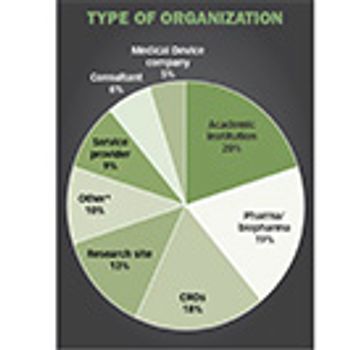
The perfect storm of industry growth, opportunity, and demand is translating to solid salary and satisfaction levels among clinical trial professionals, according to new survey.
Applied Clinical Trials
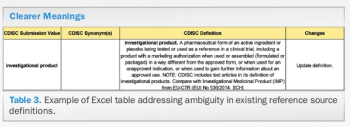
Reference tool is a Rosetta Stone for clinical research. A look at the updates and enhancements in latest version.

The Clinical Endpoints Adjudication Group and Ethical Clinical designed and implemented an industry survey to evaluate factors that drive the use of endpoint adjudication in clinical trials.

The standardization of trial metrics offers numerous benefits towards overseeing clinical trials, optimizing clinical operations and mitigating study risks. However, on a situational basis customized metrics may become necessary to address study-specific risks, uncover unknown issues and demonstrate results.
Due to mistakes by research professionals, clinical trials have been subject to delays or even cancellations. The National Board of Medical Examiners is working to reverse this trend by introducing an assessment to test the knowledge of clinical researchers.

Applied Clinical Trials
New study finds that most biopharma companies are now using a standard set of key performance indicators.

Analysis from multiple reports shows that Phase I clinical trials typically have a low rate of success. The lowest success rate occurs during Phase II of research, while those who make it to Phase III do not fare much better.
Applied Clinical Trials
Over a year ago, Claravant started the research and vetting required to “handicap” the risk of a drug being approved by FDA, and ultimately becoming commercialized in the form of a ratings system.
Applied Clinical Trials
The clinical trials industry can benefit from site-driven metrics for process improvement and site scoring.