Aardvark released exploratory data from its stopped Phase 3 HERO trial in Prader-Willi syndrome after FDA lifted the hold, and plans a redesigned Phase 3.
In today’s ACT Brief, we examine why the future of AI in trials is a trusted orchestration system rather than a single model, how coordinators rate eSource-enabled workflows, and what a bipartisan bill proposes for reusable trial networks.
The Faster Clinical Trials Act would create an FDA Center for Clinical Trial Innovation and aims to cut trial costs and enrollment time by at least 30%.
Standardized measurement across five oncology centers found that clinical research coordinators rated eSource-enabled workflows positively (Overall Mean Satisfaction 5.79 of 7), with reduced manual entry and electronic data transfer earning strong marks, while perceived reduction in sponsor and monitor queries lagged as the one domain below threshold.
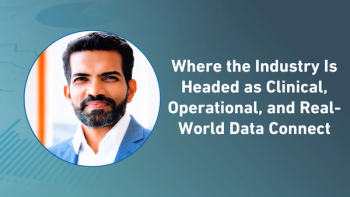
In this video interview, Rajneesh Patil, global head of AI, digital, and innovation in clinical development at Syneos Health, describes the industry’s trajectory toward a unified intelligence orchestration environment—and explains why the future isn’t one model that knows everything, but a trusted system that brings the right evidence to the right human decision.
In today’s ACT Brief, we examine how sites can avoid both fear-driven and overly aggressive AI adoption, why community-based research needs sustained financial investment, and why patient access matters more than organizational size.
Pacing obesity trial enrollment, anchoring eligibility to stable real-world therapies, and building site and physician relationships improve retention and data quality more than aggressive recruitment or restrictive exclusion criteria do.