

Applied Clinical Trials
With the term "innovation" a buzzword du jour these days, the important quest for industry is to reimagine R&D using its new capabilities to apply real-world evidence, patient engagement, and collaborative technologies.
Applied Clinical Trials
With the term "innovation" a buzzword du jour these days, the important quest for industry is to reimagine R&D using its new capabilities to apply real-world evidence, patient engagement, and collaborative technologies.
Applied Clinical Trials
For those still waiting, the time is now to get compliant on FDA's new data submission requirement.

Applied Clinical Trials
With cell-based therapies possessing multistep supply chains and complex track and trace, logistics management systems can be useful for trials even in the protocol-planning stage.

Applied Clinical Trials
The need to move beyond a point-solutions approach to one built around applications designed to manage the end-to-end clinical trial process is crucial.
Applied Clinical Trials
The need to involve regulators is crucial when the use of electronic data devices impacts the management of patient safety and evaluation of trial endpoints.

Applied Clinical Trials
For programs such as the Precision Medicine Initiative’s Cancer MoonShot to have a chance at success, following a set of key technology mandates will be critical.

Applied Clinical Trials
Search-engine data offers window to public consciousness around clinical trial research, participation.

Applied Clinical Trials
Exploring three pivotal technology areas that could reshape global studies over the next 10 years.

Applied Clinical Trials
Aligning patient-centric approaches with personalized medicine and biomarker use is transforming the design of Alzheimer's trials.

Applied Clinical Trials
Combining PRO data with clinical feasibility data can make a difference in diabetes care.

Applied Clinical Trials
With patents for many NBCDs soon to expire, the need for regulatory guidance regarding follow-on versions of these products is crucial.
Applied Clinical Trials
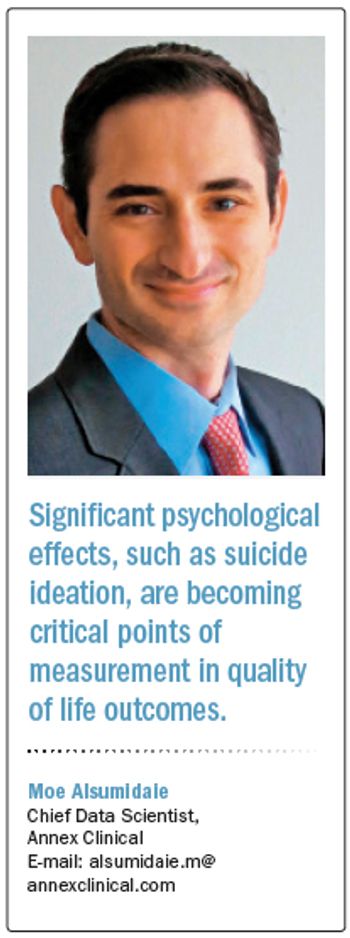
The need for robust and standardized psychiatric outcomes measures in oncology trials has grown immensely

Applied Clinical Trials
The technology necessary to meet the expected regulatory demands for assessing drug-impaired driving has emerged.

Applied Clinical Trials
Redefining this paradigm may help dispel current misperceptions around RBM and better deliver on the promise of this growing approach.

Applied Clinical Trials
The prevalence of cardiovascular toxicity associated with oncology drugs has triggered a new clinical discipline that aims to promote safer drugs and better outcomes for cancer patients.

Applied Clinical Trials
While capable of conducting high-quality trials, the current oversight process can be expensive and inefficient.

Applied Clinical Trials
Virtual CRA meetings hold a lot of potential, but work still needs to be done to ensure effectiveness.

Applied Clinical Trials
Bring Your Own Device (BYOD) makes sense economically and socially and is the future of clinical trials.

Applied Clinical Trials
Expect the FDA to be looking at a new metric in the drug approval process: driving safety.

Applied Clinical Trials
We can simultaneously establish a database that identifies signals of risk for specific product classes, and also demonstrate products that might in fact reduce risk of suicidal ideation and behavior.

Applied Clinical Trials
The goal is to have an evidence development framework that can answer a range of questions simultaneously.
Applied Clinical Trials
We are now being encouraged by regulators worldwide to re-think our approach to monitoring and apply risk-based monitoring strategies rather than continue with our more traditional approaches.

Applied Clinical Trials
The statistics show that fewer and fewer physicians are willing to take part in trials and that around half of those that do so once never do so again.

Applied Clinical Trials
There are scarce or illdefined national and international regulations on quality control and standardization of biorepositories.

Applied Clinical Trials
Consistent, effective process improvement can be the key to reducing delays and improving data accuracy.

Applied Clinical Trials
Decision makers can increase collaboration, transparency, efficiency, and effectiveness, while reducing development risks.

Applied Clinical Trials
Standard operating procedures need to be in place for the handling of suspected research misconduct.

Applied Clinical Trials
Investigator training should not be a "one-off" session at the start of clinical trial.

Applied Clinical Trials
A framework is needed to facilitate, promote, and reward basic and applied research for adults and children.

Applied Clinical Trials
Modeling and simulation has been heralded for some time as a possible answer to the industry's woes.