
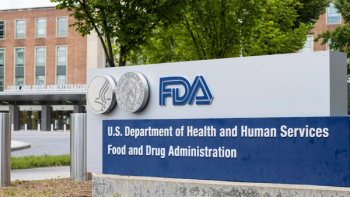
By publishing more than 200 complete response letters, the FDA is offering new visibility into the issues that most often delay drug approvals, including safety concerns, trial design flaws, and manufacturing gaps.
By publishing more than 200 complete response letters, the FDA is offering new visibility into the issues that most often delay drug approvals, including safety concerns, trial design flaws, and manufacturing gaps.

The FDA has granted orphan status to Arcus Biosciences’ CD73 inhibitor quemliclustat for metastatic pancreatic cancer, as the global PRISM-1 Phase III trial nears full enrollment following promising survival data from ARC-8.

In this video interview, Heather Horville, solutions consultant at Greenphire, emphasizes the growing need for clinical operations to embed patient-centric services—from consent through final visit—to improve retention and overall trial success.

In the P304 Phase III study, Moderna’s mRNA-1010 demonstrated a 26.6% relative efficacy over a standard-dose flu vaccine in adults aged 50+, showing consistent protection across strains and age groups.

Results from the Phase III EMBARK trial show that in combination with leuprolide, Xtandi (enzalutamide) demonstrated a statistically significant and clinically meaningful overall survival benefit in men with non-metastatic hormone-sensitive prostate cancer and high-risk biochemical recurrence.

Results from the Phase III QWINT-1 trial show that Eli Lilly’s once-weekly insulin efsitora is noninferior to once-daily glargine in reducing HbA1c among insulin-naïve adults with type 2 diabetes, offering a simplified fixed-dose regimen with fewer hypoglycemic events and less treatment burden.

In this video interview, Heather Horville, solutions consultant at Greenphire, explains how upfront reimbursement, travel stipends, and flexible support services can empower more patients—especially those from underserved communities—to confidently enroll and stay in clinical trials.

In final data from the Phase III ENLIVEN study, Turalio (pexidartinib) demonstrated durable tumor responses and a consistent safety profile in patients with symptomatic TGCT not amenable to surgery.

Results from the Phase III KEYNOTE-689 trial show that adding perioperative Keytruda (pembrolizumab) to standard-of-care radiotherapy improves event-free survival in patients with resectable, locally advanced head and neck squamous cell carcinoma, potentially setting a new benchmark for treatment in this setting.

In this video interview, Heather Horville, solutions consultant at Greenphire, discusses how clinical teams can boost participant retention in lengthy or complex trials through strategies like personalized engagement, stipends tied to ePRO diaries, and concierge services that offer one-to-one human connection.

Outdated regulations and inflexible sponsor processes are hampering clinical trial recruitment, but empowering sites with modern, compliant marketing tools could turn the tide.

The Phase I/IIa CLARICO trial of OpCT-001 marks the first clinical trial of an investigational induced pluripotent stem cell-derived therapy for primary photoreceptor diseases.

In this video interview, Heather Horville, solutions consultant at Greenphire, shares how patient advocacy, localized insights, and real-world logistics can help clinical operations teams design studies that are more accessible to rural and minority populations.

Boston Scientific’s Farapulse Pulsed Field Ablation System is now approved for treating persistent atrial fibrillation, following 12-month data from the ADVANTAGE AF trial showing strong safety, high freedom from AF, and no major complications.

In this video interview, Heather Horville, solutions consultant at Greenphire, discusses how growing financial and logistical burdens on participants are threatening study timelines and data quality—and why planning for retention earlier is becoming a clinops imperative.

How the application of artificial intelligence, broader use of real-world evidence, decentralized clinical trials, master protocols, and risk-based quality monitoring, together with strong ethical oversight and increased collaboration, are contributing to better healthcare delivery and strengthening the role of clinical research in driving global health progress.

Why future-ready pharma companies must embrace AI-driven, real-time decision-making.

In this video interview, Kyle McAllister, co-founder, CEO, Trially, shares real-world examples of AI transforming clinical trial recruitment.

Results from the Phase III FORTITUDE-101 trial showed that bemarituzumab combined with chemotherapy demonstrated both statistical significance and clinical relevance in previously untreated patients with unresectable locally advanced or metastatic gastric or gastroesophageal junction cancer who are FGFR2b-positive and HER2-negative.

Merck’s bid to update Winrevair’s label advances with FDA priority review, backed by Phase III ZENITH data showing a 76% reduction in major morbidity and mortality events in patients with pulmonary arterial hypertension.
In this video interview, Kyle McAllister, co-founder, CEO, Trially, explains how AI is stepping in to fill staffing gaps in clinical research—streamlining patient identification, real-time feasibility assessments, and automated prescreening to help sites stay operational and efficient despite budget cuts.

How clinical operations teams can close the gap between controlled trial results and real-world adoption by generating evidence in broader, more representative patient populations.

Once-weekly cagrilintide–semaglutide combination therapy produced unprecedented weight reductions in adults with overweight or obesity, with 60% achieving ≥20% loss and strong cardiometabolic benefits, according to Phase IIIa trial results published in The New England Journal of Medicine.

In this video interview, Kyle McAllister, co-founder, CEO, Trially, discusses how clinical trial sites and sponsors are responding to funding constraints by turning to telemedicine, cost-containment strategies, and increased reliance on industry-sponsored research.

In this video interview, Kyle McAllister, co-founder, CEO, Trially, explains how staffing reductions caused by clinical trial budget cuts are threatening patient recruitment and retention and warns of the long-term ripple effects on trial timelines and healthcare innovation.

New data from the pivotal GEMZ study show significant seizure reduction with adjunctive fenfluramine in CDKL5 Deficiency Disorder.

The global Phase III PROMINENT trial has begun dosing patients to evaluate felzartamab in treating primary membranous nephropathy, a serious autoimmune kidney disorder with no FDA-approved therapies.

At ASCO 2025, clinical operations leaders gained critical insights into how AI tools, bispecific antibodies, and evolving treatment paradigms are reshaping trial design, endpoint selection, and patient stratification.
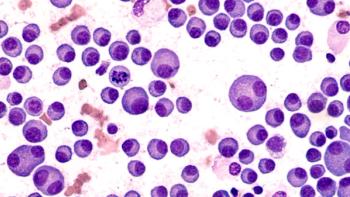
Updated results from the Phase II RedirecTT-1 trial show that the dual bispecific antibody regimen of Talvey and Tecvayli delivers deep, lasting responses in patients with triple-class exposed relapsed or refractory multiple myeloma and true extramedullary disease.

In this video interview, Kyle McAllister, co-founder, CEO, Trially, discusses how recent federal funding cuts are likely to undermine research focused on underrepresented populations, and why long-term investment in community-based studies is essential to closing persistent health equity gaps.