

Applied Clinical Trials
Interdisciplinary networking, publications, and conferences are a few of the benefits of society membership.
Applied Clinical Trials
Interdisciplinary networking, publications, and conferences are a few of the benefits of society membership.

Applied Clinical Trials
A list of Web sites focused on the professional and/or potential trial participant.

Applied Clinical Trials
Organizations offering courses and customized training tools designed to broaden your clinical trials knowledge base.

Applied Clinical Trials
A comprehensive listing of U.S. departments and offices that includes the telephone numbers of directors, commissioners, and advisors.

Applied Clinical Trials
These translations help make sense of initials commonly used by clinical researchers around the world.

Applied Clinical Trials
This newly updated glossary includes even more terms relevant to clinical trials professionals.

Manuscript Submission Guidelines 2008
Applied Clinical Trials
Financial ties and concordance between results and conclusions in meta-analyses: retrospective cohort BMJ Online First Editorial: Influence of pharmaceutical funding on the conclusions of meta-analyses BMJ Online First
Applied Clinical Trials
Sanofi Pasteur presents positive results of tetravalent dengue candidate vaccine
Applied Clinical Trials
CTI Announces the FDA allows long term use of ISA247 in Isotechnika Phase 2b clinical program for the prevention of rejection following kidney transplantation
Applied Clinical Trials
Bioscience Industry Recommends Revisions to the Clinical Trials Directive
June 2007 BPA

Applied Clinical Trials
A reminder to observe, question, and observe more, taking action based on observations.

Applied Clinical Trials
Secure Web-based Test Article Submissions and Study Tracking Availale
Applied Clinical Trials
The Food and Drug Administration's Oversight of Clinical Trials
Applied Clinical Trials
Congress Approves User Fees, Safety Policies for FDA
Applied Clinical Trials
First internal candidate to enter Phase II clinical development
Applied Clinical Trials
Angiox® (Bivalirudin) Alone Reduced Early Bleeding In ACS Patients Undergoing Angioplasty
Applied Clinical Trials
University of Maryland Researchers to Develop Devices to Revolutionize Drug Research
Applied Clinical Trials
Osteoarthritis: Two-Year Results Show Benefits of Orthokine Therapy
Applied Clinical Trials
MedNet Solutions Recognized as one of the Fastest Growing US Companies
Corporate Profile Example
Applied Clinical Trials
Study shows: New therapy against disc prolapse is effectiveOrthokine therapy alleviates severe back pain for six months
Applied Clinical Trials
Quebec City in 1994, Montreal in 2001 and Toronto in 2007!
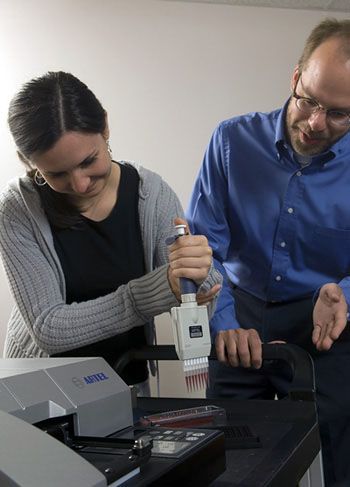
Applied Clinical Trials
ARTEL Holds Industry's First Multichannel Pipetting Technique Certification Seminar

Applied Clinical Trials Supplements
Applied Clinical Trials Supplements
Applied Clinical Trials Supplements
Applied Clinical Trials Supplements
Applied Clinical Trials Supplements