


While recent advancements in technology are helping studies operate more efficiently, concerns around their accuracy and usability still remain.
While recent advancements in technology are helping studies operate more efficiently, concerns around their accuracy and usability still remain.
It takes a village to raise a trial, but most stakeholders are siloed on isolated islands.

Respiratory syncytial virus (RSV) vaccine Arexvy shows strong immune responses in adults aged 18-49 with an elevated risk for RSV lower respiratory tract disease, including immunocompromised adults, suggesting the potential to expand the vaccine's use beyond its current approval in older age groups.

Industry experts share their perspectives on the potential of AI in clinical trials.

Data from the Phase III SOUL trial demonstrated that oral semaglutide (Rybelsus) significantly reduced major adverse cardiovascular events in patients with type 2 diabetes and cardiovascular or kidney disease, providing evidence for its cardiovascular benefits and supporting a potential label expansion.
In this video interview with ACT editor Andy, Studna, Silvio Galea, chief data & analytics officer, WCG, highlights the need for relevant, quality data and the challenges with needing to use multiple technologies.

Developing a strategic approach for labs that can identify and tackle global health challenges.

Phase IV ELEVATUM trial results show that one year of treatment with Vabysmo significantly improved vision in underrepresented racial and ethnic groups with diabetic macular edema, supporting the drug's efficacy and safety across diverse populations.
In this video interview with ACT editor Andy, Studna, Silvio Galea, chief data & analytics officer, WCG, discusses how sponsors can ensure that patients are properly reporting data.
Industry leaders share their perspectives on the guidance and how it will affect sponsors moving forward.

The combination of islatravir (Merck) and lenacapavir (Gilead) demonstrated high efficacy in maintaining a 94.2% viral suppression rate in virologically suppressed adults with HIV after 48 weeks of treatment in a Phase II trial.
In this video interview with ACT editor Andy, Studna, Silvio Galea, chief data & analytics officer, WCG, touches on the usability of clinical technology.
In this video interview with ACT editor Andy, Studna, Silvio Galea, chief data & analytics officer, WCG, highlights challenges with patient data from an operational perspective.

From design and trial start-up to conduct and analysis, there is enormous potential for applications of artificial intelligence within clinical trials to have a profound impact on human health.

Merck's investigational monoclonal antibody, clesrovimab, shows significant efficacy in reducing respiratory syncytial virus-related infections and hospitalizations in infants, with a favorable safety profile.
In this video interview with ACT editor Andy, Studna, Silvio Galea, chief data & analytics officer, WCG, discusses the lack of awareness surrounding clinical research.

In a rare disease space that faces challenges in measurement quality, these technologies can enable the use of real-world data and improve study timelines.

The combination of Opdivo (nivolumab) plus chemotherapy significantly improved progression-free survival compared to Adcetris (brentuximab vedotin) plus chemotherapy in patients with advanced stage Hodgkin lymphoma, based on findings from the Phase III S1826 trial.

In a fireside chat with ACT editor Andy Studna, Bowdish, from a clinical research cancer center, shares her experience with these relationships and how to streamline clinical operations.

Real-world data presented at IDWeek 2024 show Apretude (cabotegravir long-acting) is more than 99% effective in preventing HIV infection, with high adherence rates, reduced stigma and anxiety, and broad acceptability.
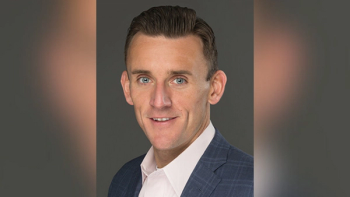
As industry clinical trial partners seek greater patient diversity and operational efficiencies in drug development, our October issue of Applied Clinical Trials explores some of the related outsourcing methods that are emerging.
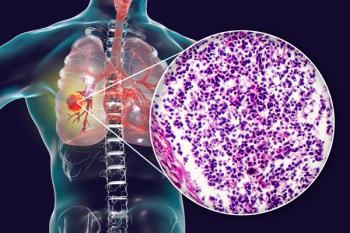
Preliminary data from the Phase III IMforte trial show the combination of Zepzelca (lurbinectedin) plus Tecentriq (atezolizumab) significantly improved overall survival and progression-free survival in patients with extensive-stage small cell lung cancer.
In this video interview with ACT editor Andy Studna, Mwango Kashoki, SVP, global head of regulatory strategy, Parexel, discusses how the guidance should prompt better-designed oncology trials and greater diversity.

A data-fueled framework for sponsors and CROs in navigating this shifting terrain.

Data from the RAINBOWFISH trial shows early treatment with Evrysdi (risdiplam) in pre-symptomatic infants with spinal muscular atrophy (SMA) leads to significant motor milestone achievements, such as standing and walking, as well as cognitive development typical of non-SMA children, without the need for permanent ventilation.

Overcoming this bias—which affects everything from trial design to data collection—is a critical obligation of clinical research stakeholders.
In this video interview with ACT editor Andy Studna, Mwango Kashoki, SVP, global head of regulatory strategy, Parexel, touches on challenges that may be created by the guidance such as meeting multiple regulatory requirements.

Using surveys to collect various viewpoints on eConsent from ethics, sponsors, and vendors.

Tremfya (guselkumab) demonstrated superior endoscopic remission rates in both Crohn disease and ulcerative colitis, including biologic-naïve and biologic-refractory patients, according to Phase III clinical trial data.
In this video interview with ACT editor Andy Studna, Mwango Kashoki, SVP, global head of regulatory strategy, Parexel, discusses how sponsors will need to plan ahead even further for their oncology trials.