




Trial Design
Latest News
Advertisement
Latest Videos


Advertisement
More News
Advertisement

In this video interview, Ramita Tandon, chief biopharma officer at Walgreens, outlines her five-year vision for community-based research, calling for deeper industry alignment, infrastructure expansion, and patient-first design principles.
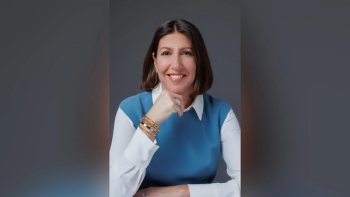
A new global report finds that clinical research teams are making progress but still lack the skills and tools needed to keep pace with growing trial complexity and emerging technologies.

Results from the Phase III FORTITUDE-101 trial showed that bemarituzumab combined with chemotherapy demonstrated both statistical significance and clinical relevance in previously untreated patients with unresectable locally advanced or metastatic gastric or gastroesophageal junction cancer who are FGFR2b-positive and HER2-negative.

At ASCO 2025, clinical operations leaders gained critical insights into how AI tools, bispecific antibodies, and evolving treatment paradigms are reshaping trial design, endpoint selection, and patient stratification.
In this video interview, Matt Robinson, PhD, senior director, oncology research program, National Comprehensive Cancer Network (NCCN), shares his perspective on how clinical operations teams can evolve through patient-centered trial design, multi-disciplinary support, and enhanced education to address persistent barriers in cancer trial enrollment over the next five years.

Navigating a complex drug development landscape, sponsors must rethink their approach to risk in study design and execution.

Overcoming the illusion of knowledge in clinical research can enhance decision-making, training, and project success—helping ensure trials run smoothly and effectively.
In this video interview, Krinx Kong, chief commercial officer, Cognivia, discusses how trial design and timelines could be impacted by a potential mandate for placebo use across all vaccine trials.
In this video interview, C.K. Wang, MD, chief medical officer, COTA, highlights cost and treatment sequencing as some of oncology’s largest hurdles.
In this video interview, Derek Ansel, vice president, therapeutic strategy lead, rare disease, Worldwide Clinical Trials, discusses the most prominent challenges he is seeing in the space right now including competing research priorities and finding endpoints.
Advertisement

An increase in protocol complexity is paving the way for machine learning models to optimize trial design.
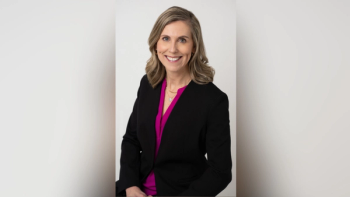
The future of clinical trial design involves incorporating the patient experience into strategic asset planning.

In this video interview, Thierry Escudier, portfolio lead, Pistoia Alliance, discusses how an emphasis on patient centricity can encourage more sustainable trial designs.
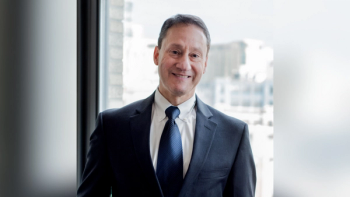
Anticipating divestment, reallocation of investments, and retrenchment.

COVID-19 not only advanced scientific boundaries, but also transformed research methodologies and accelerated adaptive clinical trial design.

Teams must work together with technology solutions and optimize integration to unlock their full potential.

How targeted AI can improve the performance of clinical trials.
In an interview with Applied Clinical Trials Associate Editor Don Tracy, Sebastien Coppe, CEO, One2Treat, talks challenges faced by startups in advancing clinical trial innovation.
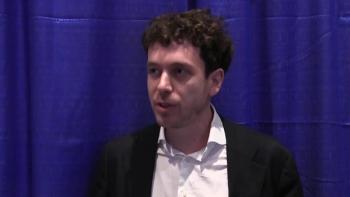
In an interview with Applied Clinical Trials Associate Editor Don Tracy, Samuel Salvaggio Senior Trial Design Lead, One2Treat, discusses partnerships that remain vital for guaranteeing success in clinical trial efficiency.
SCOPE Summit 2025: Samuel Salvaggio Discusses One2Treat's Primary Objectives for Attending SCOPE
Published: | Updated:
In an interview with Applied Clinical Trials Associate Editor Don Tracy, Samuel Salvaggio, Senior Trial Design Lead, One2Treat, discusses the company's main goals for attending the SCOPE Summit, including patient centric trial design.
In an interview with Applied Clinical Trials Associate Editor Don Tracy, Richard Young, chief strategy officer, CluePoints, discusses goals of the SCOPE Summit and CluePoints' evolving approach to risk detection.

Conference breakout session explores strategies for trial sites to strengthen patient relationships.

Clinical trial liaisons rather serve as experts in their therapeutic areas and as clinical trial specialists to provide a suite of strategic advantages to benefit a study.
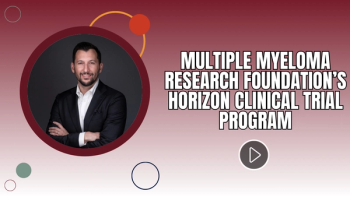
In this video interview, Michael Andreini, president and CEO of the Multiple Myeloma Research Foundation, highlights the design of Horizon, an adaptative platform trial for the treatment of multiple myeloma.
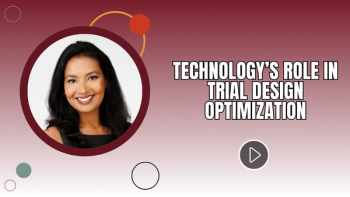
In this video interview, Dipanwita Das, CEO & co-founder at Sorcero, highlights how artificial intelligence, real-time monitoring, and historical data can aid in optimizing trial design.
Advertisement
Advertisement
Trending on Applied Clinical Trials Online
1
FDA Seeks Public Input on Early-Phase Clinical Trial Design for Ibogaine
2
FDA Releases Transparency Roadmap Outlining Disclosure Priorities Across Drug Development and Regulatory Review
3
Mixed Outsourcing Models Are Spreading. Is Sponsor Oversight Keeping Up?
4
Beyond the Molecule: Why Radiopharmaceutical Trials Require a New Operating Model
5