




Applied Clinical Trials
IVR systems can capitalize on exposure data and analyze adverse events much earlier.

Applied Clinical Trials
IVR systems can capitalize on exposure data and analyze adverse events much earlier.
Applied Clinical Trials
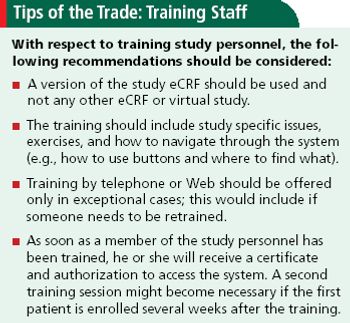
In addition to study timelines and budgets, EDC adoption directly affects the people who run trials.
Applied Clinical Trials
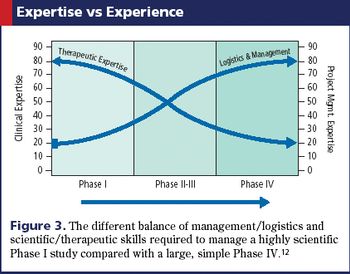
The roles, knowledge, and skill sets of team members also need to adapt with real-time data technology.

Applied Clinical Trials
How applying statistics to the design, conduct, and analysis of Phase I trials can improve clinical research.
Applied Clinical Trials
When it comes to R&D all drugs are not created equal, especially oncologics. And an ACT workshop counts the ways.

Applied Clinical Trials
From Phase I to Phase III, there's a part for personalized medicine to play in improving oncology studies.
Applied Clinical Trials
A detailed plan is the key to success. But since even the best laid plans can go awry, a back-up plan is necessary.
Applied Clinical Trials
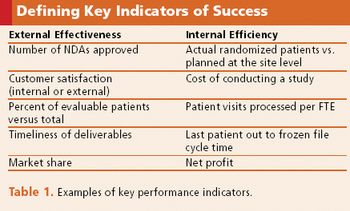
Many factors contribute to the success of a company's metrics group, including high-level support.

Applied Clinical Trials
It's out with the old, in with the new for clinical development.

Applied Clinical Trials
A strong data management backbone that includes the use of EDC can make flexible designs an operational reality.
Applied Clinical Trials
A strong data management backbone that includes the use of EDC can make flexible designs an operational reality.
Applied Clinical Trials
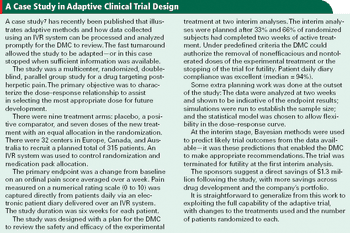
Interactive voice response systems are a good match for adaptive clinical trials and can help keep investigators in the dark.
Applied Clinical Trials
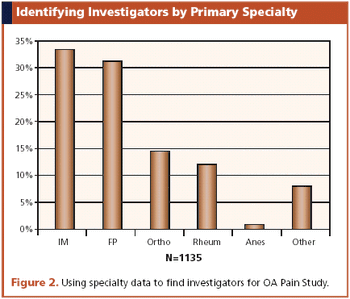
Increased cost concerns set the stage for health data to play a major role in drug development.

Applied Clinical Trials
Real examples from recent studies illustrate the risks associated with making such a delicate decision.
Applied Clinical Trials
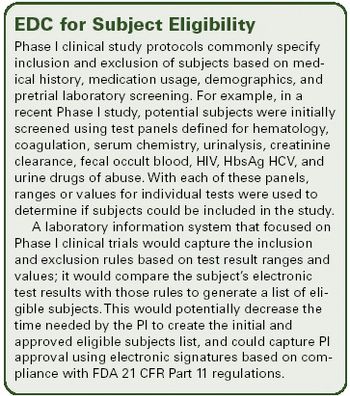
An integrated clinical lab EDC system can accelerate decision making and improve subject safety in early trials.

Applied Clinical Trials
The technique offers a clear window into drug effects and provides strong safety and efficacy evidence.

Applied Clinical Trials
Open-label extension (OLE) studies are common, but they do not receive as much attention as traditional Phase I through Phase IV studies. Enrollment into an OLE study typically follows enrollment into a randomized, blinded, well-controlled main study. Participants are usually informed at the time they are recruited into the main study that they may elect to enroll in an OLE study after completing the main trial. The stated objective of most OLE studies is to obtain long-term safety and tolerability data.
Applied Clinical Trials
Electronic solutions such as IVR systems, PDAs, and digital pens exhibit advantages over paper and pencil in PRO data collection.

Applied Clinical Trials
The need for new trial designs will require flexibility with regard to cost drivers.

Applied Clinical Trials
Independent experts help reduce variability and bias in trials that use medical imaging.

Applied Clinical Trials
The use of composite endpoints are being regarded as a useful strategy, but caution must be applied as there are both risks and benefits.

Applied Clinical Trials
Prof. Marion E.T. McMurdo elaborates on the importance of including older subjects in clinical trials.

Applied Clinical Trials
Targeted designs for clinical trials are the next step in predictive diagnostics.

Applied Clinical Trials
A clearly defined set of performance measures is an integral part of the central laboratory selection and management process.

Applied Clinical Trials
How unwanted emails can deepen our understanding of trial probabilities.